Best Time Of Year For Arizona Day Trips Out Of Phoenix
Timing decides more than destination on an Arizona day trip. This guide breaks the year into seasons and matches each of the seven tour categories on this site to its best months, using verified drive times, fee figures and the National Weather Service heat and flash-flood frameworks.
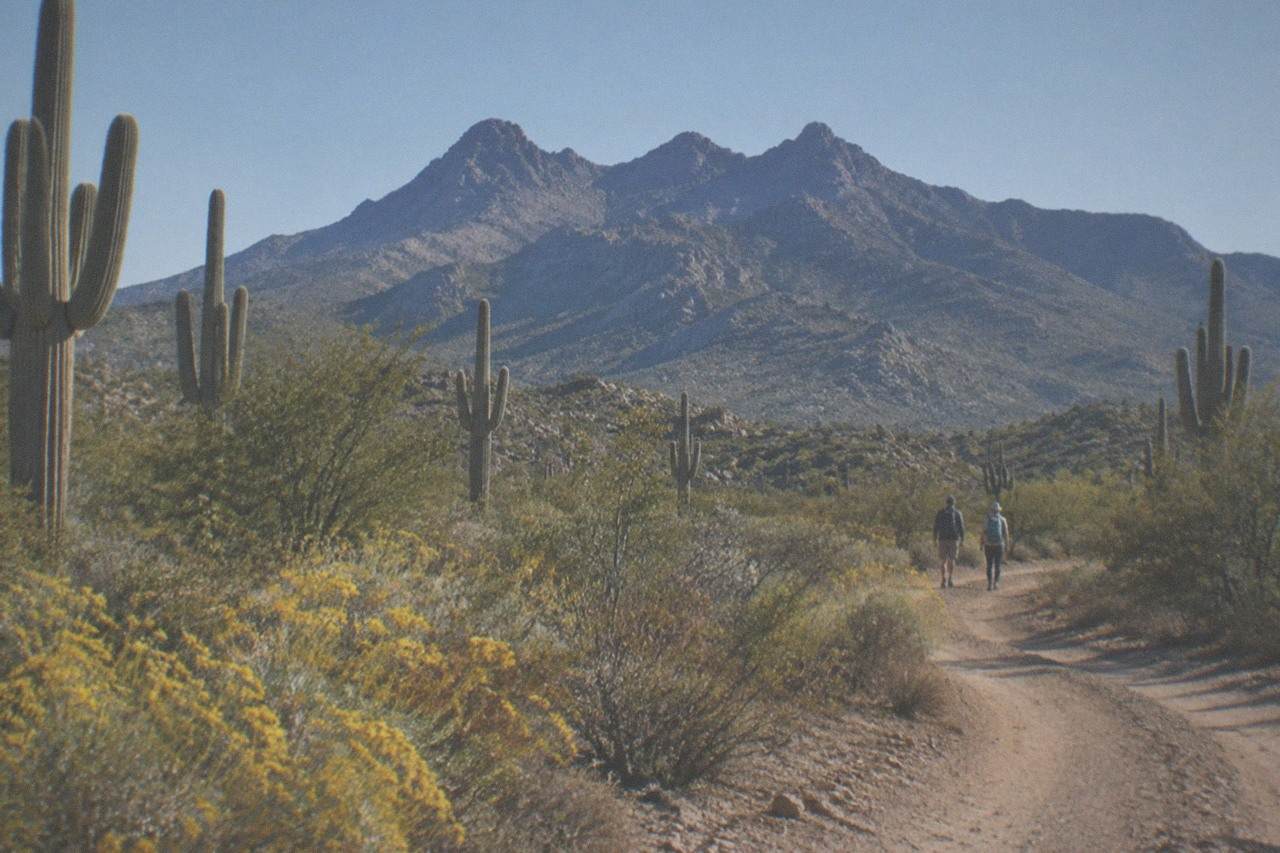
Short answer
October through April is the best window for Arizona day trips from Phoenix: mild desert temperatures, low flash-flood risk and full tour schedules. Summer trips still run, but the NWS HeatRisk framework and monsoon season from July to September reshape timing. Sedona tours start from $165 per person, Grand Canyon combinations from $229 and Antelope Canyon trips from $351.
Arizona's tour calendar is not one season long, it is three or four compressed ones stacked on top of each other. A Sedona red-rock trip that feels effortless in March can be a furnace-and-crowd problem in July, and a Grand Canyon departure that sells out weeks ahead in spring often has open seats in January. The timing question matters more here than in most destinations because the same operator, the same van and the same trailhead deliver completely different experiences depending on the month.
This guide walks the full year for all seven categories on this roster: Grand Canyon, Antelope Canyon and Horseshoe Bend, Sedona and Red Rock Country, the Apache Trail and Sonoran Desert, hot air balloons, and Tombstone and Tucson in the south. Every price, rating and review count below comes from the site's verified tour data, and the heat and flood guidance follows the National Weather Service frameworks rather than folklore.
What Is The Best Time Of Year For Arizona Tours From Phoenix?
October through April is the prime window, with March, April, October and November as the standout months. In that stretch, desert daytime temperatures are comfortable, the monsoon flash-flood season is over, and every category on the roster runs its full schedule. Summer departures still operate, but the National Weather Service HeatRisk system and monsoon storms from July through September push smart planners toward early-morning and sunset formats.
The reason is simple geography. Phoenix sits at the northern edge of the Sonoran Desert, so its tour season inverts the pattern of most American destinations: winter is peak, summer is the shoulder. The Grand Canyon South Rim sits about 225 miles north at high elevation, so it runs on its own clock, with cold mornings even when Phoenix is warm. Sedona, at about 115 miles and a two-hour drive from Phoenix, splits the difference.
That inversion creates a useful planning trick. In summer, pair a cool destination with a hot departure city: a Grand Canyon day in July runs far cooler than the valley you left. In winter, reverse it, and spend the short daylight hours at the canyon or in Sedona while Phoenix enjoys its own mild afternoons. The overview of the best day tours from Phoenix covers which categories fit which traveler, and this page handles the when.
One more framing point, and it is the organizing idea behind everything on Day Tours from Phoenix: the two dates that matter most in any given year are the start of monsoon season, typically late June into July, and the spring break rush in March. Everything else is negotiable.
Which Season Offers The Best Conditions For Every Tour Category?
Spring and fall are the strongest seasons across all seven categories, and fall edges spring on two counts: monsoon-season flood damage has usually dried out by October, and summer crowds have gone home. Spring wins on water: snowmelt and greenery make Oak Creek Canyon and the desert floor more photogenic, and the Sedona shuttle season is running. Winter is the quiet, value season, and summer belongs to early-morning departures.
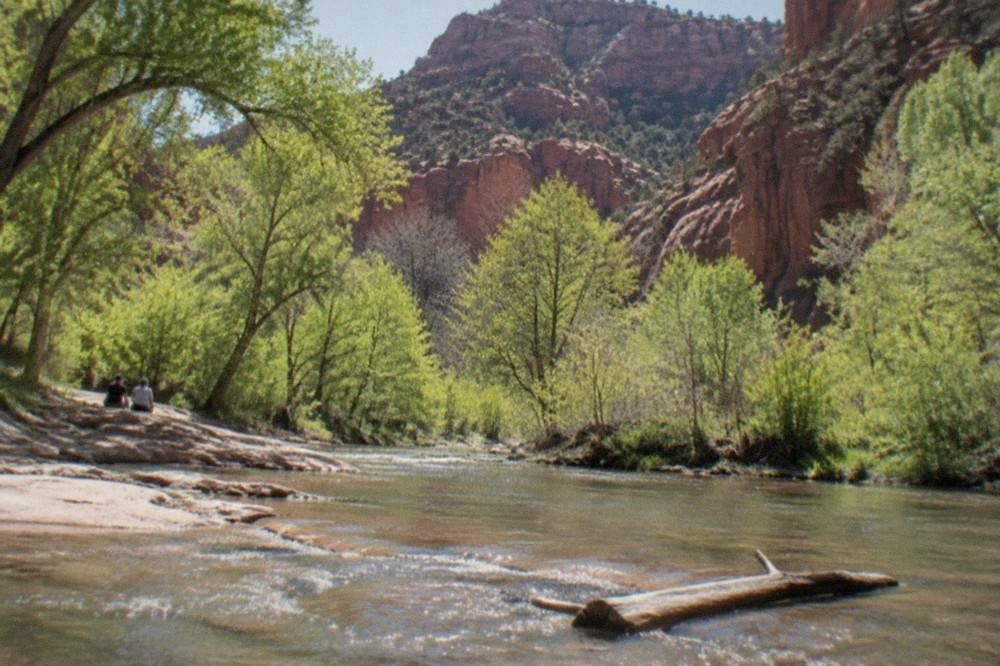
Spring, roughly March through May, is when the desert shows off. Wildflowers in wet years, green riparian corridors in Oak Creek Canyon, and daytime temperatures that make outdoor time pleasant from morning to evening. It is also the season when the most tours sell out, because spring break and snowbird traffic converge on the same weeks. The Sedona, Jerome and Montezuma Castle day trip, from $165 per person and rated 4.9 from 39 reviews, is a classic spring itinerary, combining a cliff dwelling, a mining-town-turned-ghost-town and red rock scenery in one manageable loop.
Fall, roughly late September through November, is the connoisseur's pick. The heat has broken, the monsoon has ended, and the light in October is arguably the best of the year for photography at both the Grand Canyon and Sedona. One caveat for 2026 specifically: the August 29 flash flood in Bright Angel Canyon closed South Rim in-park lodging and Phantom Ranch through at least October 31, though day-use areas, viewpoints and the Rim Trail stayed open and roads were unaffected. Day tours were never in question, but if you planned to overnight at the rim, check the park's own updates.
| Season | Months | Best categories | Main drawback |
|---|---|---|---|
| Spring | Mar-May | Sedona, Montezuma Castle, balloons, Grand Canyon | Spring break crowds, peak sellouts |
| Summer | Jun-Aug | Early balloons, sunset jeeps, Grand Canyon (cooler up north) | HeatRisk days, monsoon storms, afternoon cutoffs |
| Fall | Sep-Nov | Grand Canyon, Antelope Canyon, Apache Trail, Sedona | Early-season monsoon residue, October lodging limits |
| Winter | Dec-Feb | Grand Canyon South Rim, Tombstone, Tucson, balloons | Cold rim mornings, short daylight, fewer wildflowers |
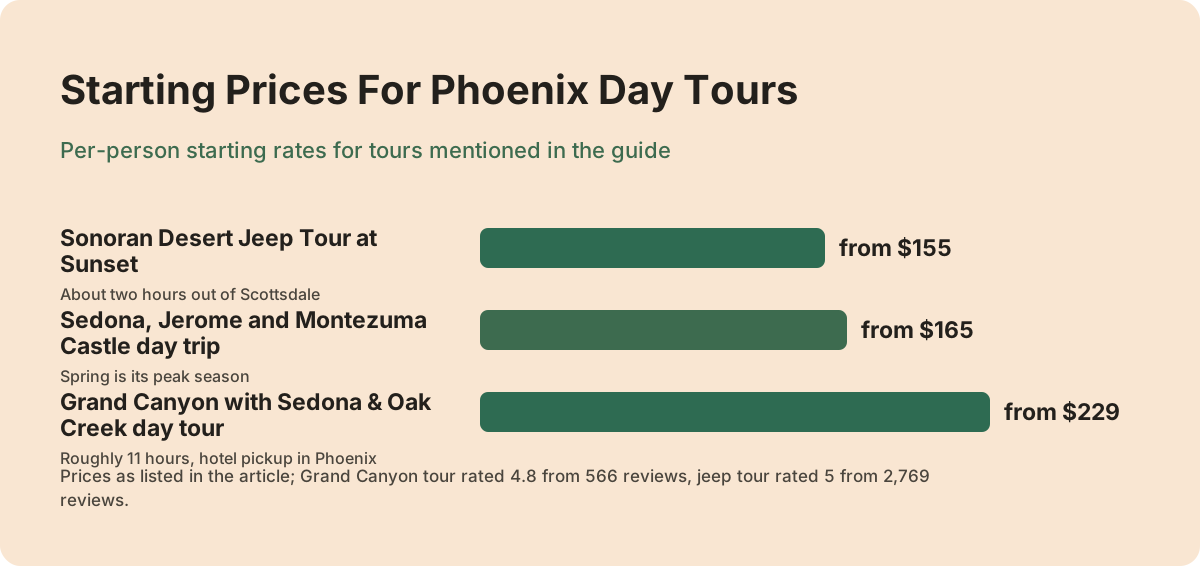
If you want one tour that works in nearly every month of that table, the Grand Canyon with Sedona & Oak Creek day tour is the roster's most flexible all-rounder: a full day of roughly 11 hours, from $229 per person, rated 4.8 from 566 reviews, with hotel pickup in Phoenix. It pairs the two highest-demand destinations in a single departure, which matters most in shoulder months when you only have one or two viable days. The Grand Canyon tour from Phoenix guide covers the itinerary in depth.
Those three picks bracket the seasonal question nicely: a full-day canyon and Sedona combination for the shoulder seasons, a sunset jeep tour built for summer evenings, and a sunrise balloon flight for the months when midday is off the table.
How Does Summer Heat And Monsoon Season Change Your Day Tour Plans?
Summer planning in Phoenix runs on two overlapping systems: the National Weather Service HeatRisk framework, which issues alerts based on how unusual and prolonged heat is rather than one fixed temperature, and the monsoon from roughly July through September, which brings afternoon thunderstorms and flash-flood risk to slot canyons and desert washes. The practical response is to book early-morning and sunset formats and treat midday as a rest window.
The heat point first, because it is the one most visitors underestimate. NWS Phoenix does not trigger heat warnings at a single fixed degree mark; its HeatRisk system weighs the forecast high, the overnight low, how long the heat lasts and how unusual it is for the date, then keys alerts to Major and Extreme levels. What that means for a day tour is concrete: check the live NWS Phoenix heat page before booking any midday outdoor activity from June through September, and shift your sightseeing to the bookends of the day when alerts are up.
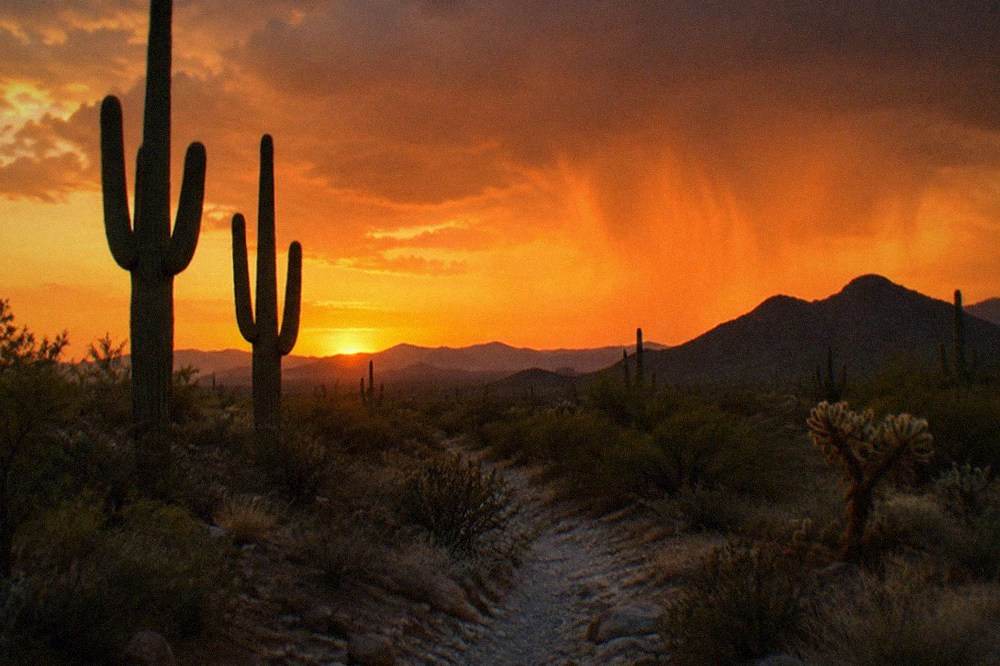
The monsoon is the second system. From late June through September, moisture surges produce afternoon and evening thunderstorms that can drop heavy rain on a single watershed in hours. Slot canyons are the headline risk: Antelope Canyon is guided-only for exactly this reason, and same-day cancellations for flash-flood danger do happen in the season. The unpaved stretch of the Apache Trail is monsoon-sensitive too, with rockfall and washout closures possible after storms, so check az511.gov for road status before any Apache Trail date in July, August or September.
Summer still has real advantages. Prices do not drop on this roster, but crowds thin, and the sunset jeep format becomes the smartest two hours you can spend outdoors. The Sonoran Desert Jeep Tour at Sunset, from $155 per person and rated 5 from 2,769 reviews, runs about two hours out of Scottsdale and puts the worst heat behind you before the ride starts.
For a deeper comparison of the two rim drives and slot-canyon seasons, the best season to see Antelope Canyon light beams guide handles the March-to-September sun-angle question that drives most Upper Canyon bookings.
Is Winter A Good Time For Grand Canyon And Sedona Day Tours?
Yes, and for some travelers it is the best season of all. The South Rim is open 24 hours a day, 365 days a year, and winter brings snow-dusted canyon views, empty viewpoints and the lowest crowd pressure of the year. The tradeoffs are cold rim temperatures, short daylight that squeezes long itineraries, and occasional storm-day road delays between Phoenix and the rim.
The Grand Canyon South Rim sits at high elevation, and winter mornings there can be bitterly cold while Phoenix afternoons stay mild. That contrast is a feature, not a bug, if you pack for it: layers, a warm hat and closed shoes. The what to bring on a Grand Canyon day tour guide has the full checklist, and it matters more in December than in any other month.
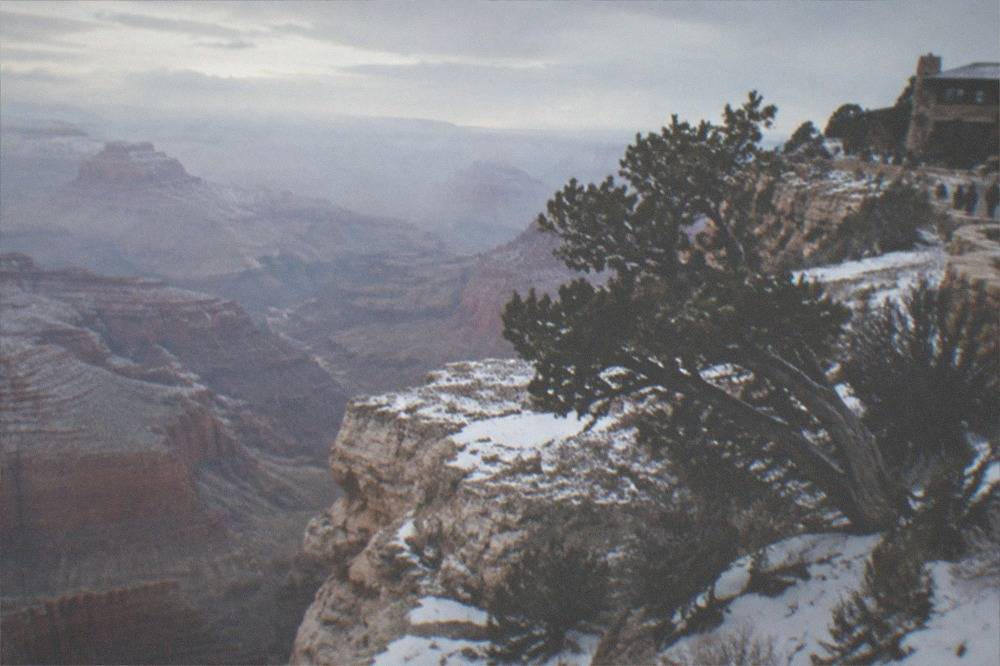
Winter is also the season when the park's entrance fee math is easiest to see. A private vehicle pass costs $35 and is valid for seven days at both rims, per the park's official fees page; most guided tours on this roster fold that entry into the ticket price, which is one reason a winter tour can feel like better value than a winter self-drive. Sedona in winter is milder than the rim, typically just cool enough for hiking, and the smaller crowds make Cathedral Rock-area trailheads easier to reach.
Winter is also when a combined canyon-and-Sedona itinerary earns its keep. The Grand Canyon with Sedona & Oak Creek day tour covered earlier runs its full route through the cold months, pairing snow-dusted rim viewpoints with mild Sedona afternoons in a single hotel-pickup departure, so you get two seasons in one day.
For the south-of-Phoenix categories, winter is arguably peak. Tucson and Saguaro National Park sit in the low desert, so October through April is their stated best season, and summer highs there often top 100 degrees. Tombstone, about 175 miles and a 2.5 to 3 hour drive from Phoenix, is comfortable for walking the historic district in winter in a way it simply is not in July. The Tucson day trip from Phoenix guide covers that southern route.
The one winter category to think twice about is Antelope Canyon and Horseshoe Bend. The tours run, but the 14 to 16 hour day gets long when the sun sets early, and the famous light beams in Upper Canyon are a spring-through-summer phenomenon. Winter visitors get quieter slots and softer, cooler light instead.
Which Month Should You Book Each Tour Category?
March, April, October and November are the safest bets across all categories at once. May and September are strong but sit at the edges of the heat and monsoon systems. June through August favors balloons, sunset jeeps and the high-elevation Grand Canyon, while December through February favors the canyon, Tucson and Tombstone over the slot canyons.
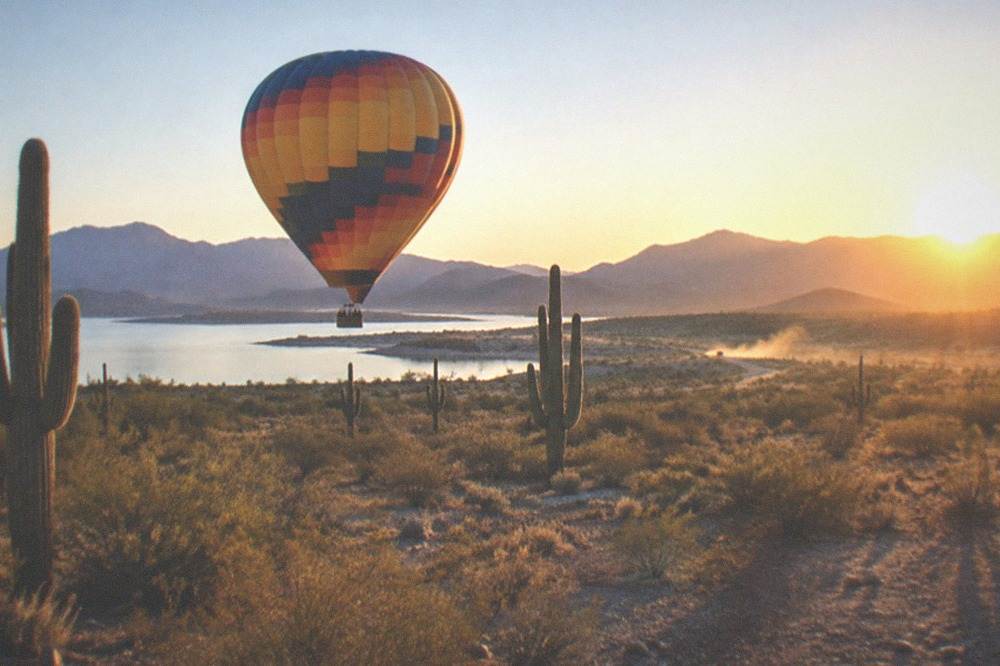
The month-by-month view matters because the categories do not peak together. Balloon flights want calm, cool mornings, so they run year-round but fly best from fall through spring. Jeep tours want anything but midday summer heat. Antelope Canyon wants sun angle for the beams and dry weather for safe access, which points to April through September with a monsoon asterisk. The Apache Trail wants dry roads, so spring and fall beat both temperature extremes.
| Month | Best pick | Watch for |
|---|---|---|
| Jan | Grand Canyon South Rim, Tucson, Tombstone | Freezing rim mornings, short daylight |
| Feb | Grand Canyon, Sedona, balloons | Same as January, mild valley afternoons |
| Mar | Sedona, Montezuma Castle, Antelope Canyon beams begin | Spring break crowds, book early |
| Apr | Antelope Canyon light beams, Sedona, Grand Canyon | Peak sellout month for slot canyons |
| May | Grand Canyon, Apache Trail, balloons | Late-month heat begins |
| Jun | Balloons at sunrise, sunset jeeps | HeatRisk days, monsoon onset late month |
| Jul | Grand Canyon (cooler at elevation), sunset jeeps | Monsoon storms, slot-canyon cancellations |
| Aug | Same as July, plus early light beams | Monsoon peak, check flash-flood forecasts |
| Sep | Antelope Canyon, Apache Trail, Sedona | Residual monsoon early month, then prime fall |
| Oct | Everything: canyon, Sedona, balloons, jeep | The single best month on this calendar |
| Nov | Grand Canyon, Sedona, Tombstone | Cooling rim, shorter days |
| Dec | Grand Canyon snow scenes, Tucson, balloons | Storm-day drive delays possible |
If you can only travel in one of the weaker months, do not cancel, reformat. A summer trip becomes a balloon-plus-evening itinerary, and a winter trip becomes a canyon-plus-south-Arizona itinerary. The best day tours from Phoenix for first-time visitors guide helps you pick the category once the calendar has picked the format.
How Far Ahead Should You Book Tours In Each Season?
In peak spring and fall months, book Grand Canyon and Antelope Canyon departures two to six weeks out, and balloon flights one to two weeks out. In summer and winter, a week ahead often suffices for van tours, though Antelope Canyon's guided-only rule keeps its advance-booking pressure high year-round, with Upper Canyon light-beam slots sometimes selling four to six weeks ahead and longer in summer.
The booking clock runs on three things: group size caps, permit access and seasonal demand. Antelope Canyon is the tightest because every visitor must join an authorized Navajo-guided tour, with a $15 per person Navajo Parks permit fee on top of the tour price, so supply is structurally limited. The how far in advance to book an Antelope Canyon tour guide has the full breakdown by season and by Upper versus Lower Canyon.
| Category | Peak-season lead time | Off-season lead time | Why |
|---|---|---|---|
| Antelope Canyon & Horseshoe Bend | 4-6 weeks (longer for summer beams) | 1-3 weeks | Guided-only access, capped permits |
| Grand Canyon & Sedona combos | 2-4 weeks | 1 week | Van seats, spring break demand |
| Hot air balloons | 1-2 weeks | under 1 week | Weather holds, daily capacity |
| Apache Trail & steamboat | 1-2 weeks | under 1 week | Smaller boats and vans |
| Sunset jeep tours | 1 week | a few days | High frequency, short duration |
| Tombstone & Tucson | 1-2 weeks | under 1 week | Long drive limits daily departures |
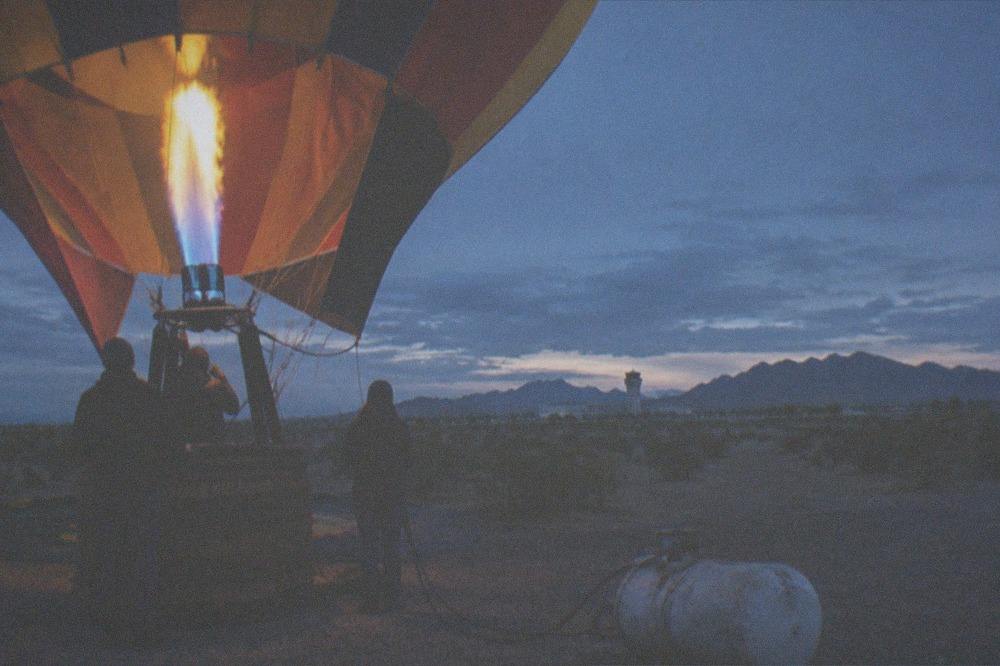
Balloon flights deserve one extra note: they are the most weather-sensitive category on the roster, and operators hold the right to postpone for wind. Booking your flight for your first or second morning in town, rather than your last, builds in a retry window. The Phoenix Morning Hot Air Balloon Ride with Bubbly + Breakfast, from $239 per person and rated 4.8 from 2,164 reviews, includes hotel pickup and is flagged as often selling out, so treat it as a book-early item in any season. You can check the live listing alongside Check availability when your dates firm up.
For a wider comparison of what each category costs at each tier, the which day tour fits your budget guide sorts the roster by price point, which pairs naturally with the seasonal view here.
What Should You Expect From Tour Schedules In Each Season?
Departure times shift with the sun: summer tours leave earlier and return later relative to daylight needs, while winter itineraries compress into shorter days. Grand Canyon combinations run 11 to 13 hours year-round, Sedona and Verde Valley trips run 8 to 10 hours, and short-format jeep and balloon products hold near-constant durations because they only use the bookend hours anyway.
Duration matters more in winter than most planners expect. A 13-hour Grand Canyon and Sedona adventure that leaves early in June finishes in daylight; the same departure in December finishes in the dark, which changes what you see on the return leg. It does not change the canyon itself, and winter rim time is genuinely special, but set expectations accordingly. The Grand Canyon day tour duration and schedule guide breaks down each departure's timing pattern.
Stop-level hours shift seasonally too, though the posted times themselves hold steady. Tortilla Flat runs Monday through Friday 10 to 6 and Saturday-Sunday 8 to 6, and Goldfield Ghost Town opens daily 10 to 5 with no town entry fee, which is why Apache Trail itineraries cluster around late-morning departures regardless of season.
Summer inverts the problem: the day is long but the usable hours are few. That is why the two-hour formats shine in June through August. The guided UTV and ATV desert tour from Phoenix, from $204 for the vehicle, up to two riders, and rated 4.9 from 291 reviews, fits a morning slot before the heat peaks, and the sunset jeep products take the other end of the day.
The through-line of this whole page is that Arizona rewards travelers who match format to season rather than forcing one itinerary into twelve different months. Pick your month, then pick the category that month favors, then book with the lead time the table above suggests. That sequence beats the reverse order almost every time, and it is the difference between a trip that fights the desert and one that rides with it.
Common Questions About The Best Time Of Year For Arizona Tours From Phoenix
What is the best time of year for Arizona day tours from Phoenix?
October through April, with March, April, October and November as the standout months. Conditions are mild, monsoon flash-flood risk is low outside the July-to-September window, and every category on the roster runs its full schedule.
Is summer too hot for day tours from Phoenix?
No, but summer requires reformatting. The NWS HeatRisk framework drives heat alerts rather than one fixed temperature, so plan sunrise balloons, early departures and sunset jeep tours, and treat midday as a rest window from June through September.
Does the monsoon affect Antelope Canyon tours?
Yes. From roughly July through September, afternoon thunderstorms can trigger same-day flash-flood cancellations in slot canyons. Antelope Canyon is guided-only with a $15 per person Navajo Parks permit fee, and operators monitor conditions closely.
Is the Grand Canyon open in winter?
Yes. The South Rim is open 24 hours a day, 365 days a year. Winter brings cold mornings, possible snow and the lowest crowds of the year; a private vehicle entry pass is $35 and valid for seven days, though most guided tours include entry.
Which tours are best in summer from Phoenix?
Sunrise balloon flights, sunset jeep tours and the high-elevation Grand Canyon, where temperatures run far cooler than the Phoenix valley. The Sonoran Desert Jeep Tour at Sunset, from $155 per person, and morning balloon flights from $199 are the two formats built for the season.
How far in advance should I book an Arizona day tour?
In peak spring and fall months, book Grand Canyon and Antelope Canyon departures two to six weeks out and balloon flights one to two weeks out. Antelope Canyon's guided-only access keeps pressure high year-round, with Upper Canyon light-beam slots sometimes selling four to six weeks ahead.