Is It Worth Driving To The Grand Canyon From Phoenix, Or Should You Take A Tour
The drive from Phoenix to the Grand Canyon South Rim is roughly 225 miles each way, and the honest answer to whether it is worth doing yourself depends on one question: do you want to spend your day watching the road or watching the canyon.
Short answer
Driving from Phoenix to the Grand Canyon South Rim takes about 3.5 to 4 hours each way, roughly 225 miles, and a private vehicle entry pass costs $35. Guided day tours from Phoenix run from $229 to $299 per person with hotel pickup. Driving wins on cost for groups of three or more; a tour wins on fatigue, timing and local knowledge.
The Grand Canyon South Rim sits roughly 225 miles north of Phoenix, and every mile of that road is the same whether you drive it yourself or ride it in a tour van. What changes is who is behind the wheel, what the day costs, and how much of the canyon you actually see once you arrive. This page compares both options using real figures: the park's own entry fees, the actual drive distances, and the published prices of the guided tours that leave Phoenix every morning. The short version is that the math favors driving for groups of three or more, while the experience favors a tour for solo travelers, first-time visitors and anyone who would rather not spend eight hours of a single day on Interstate 17 and US-180.
How Long Does The Drive To The Grand Canyon From Phoenix Really Take?
The drive from Phoenix to the Grand Canyon South Rim covers approximately 225 miles and takes about 3.5 to 4 hours each way in normal traffic, following I-17 north to US-180 and AZ-64. That means a self-drive day trip puts seven to eight hours of pure driving on your schedule before you have walked a single rim trail, so the realistic window at the canyon itself is three to five hours.
That 3.5 to 4 hour figure is the honest one, not the optimistic one. It assumes you leave early, skip long stops, and do not hit Phoenix morning congestion heading out of the metro area. Add a fuel stop, a lunch stop and the final approach through Tusayan and the village entrance station, and many drivers find the outbound leg runs closer to four hours flat. The return leg is worse: you leave the rim tired, often after dark in winter, and the last hour into Phoenix is the part of the day people remember least fondly.
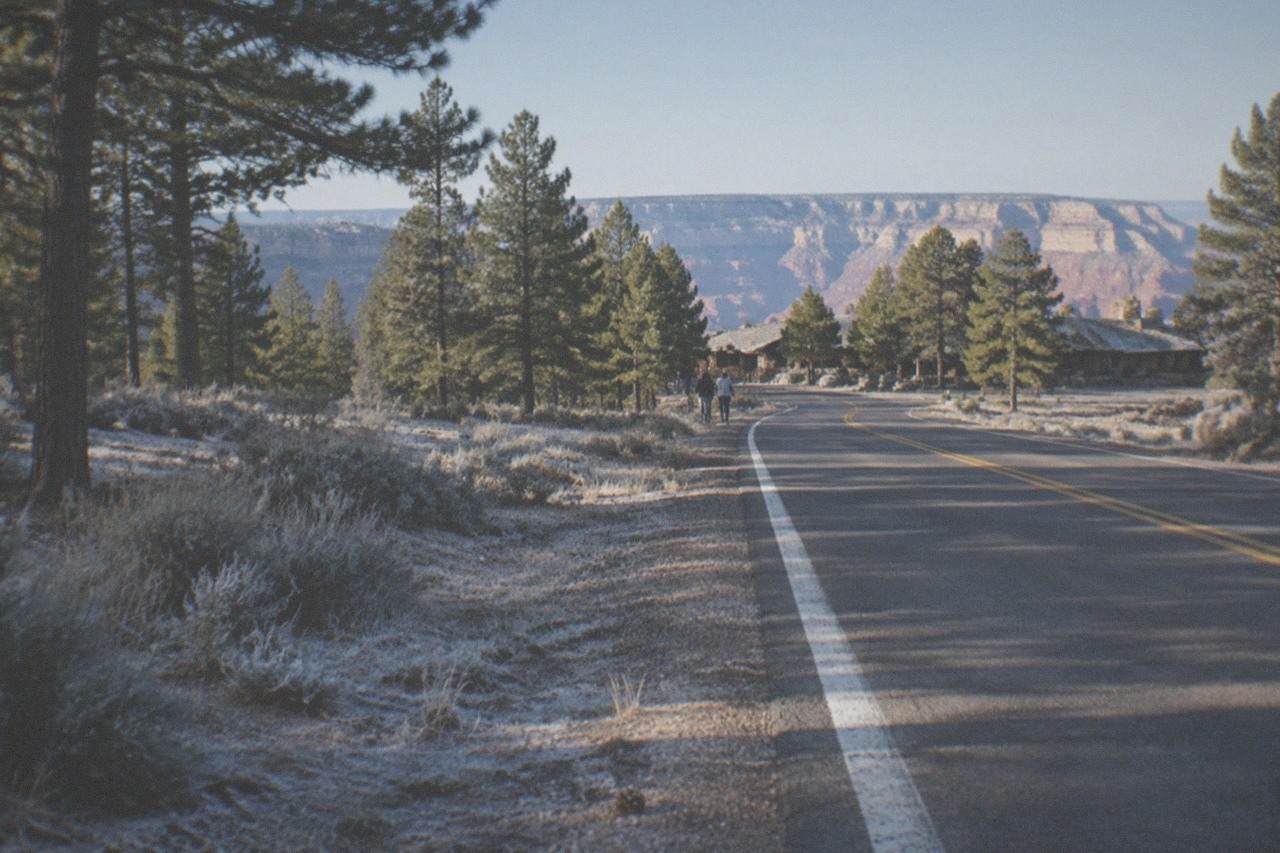
The route itself is straightforward. I-17 climbs out of the Sonoran Desert through Camp Verde and Flagstaff's ponderosa country, then US-180 and AZ-64 carry you across the Coconino Plateau to the South Rim entrance. It is a scenic drive in stretches, particularly the plateau section north of Flagstaff, but scenery from a driver's seat is scenery you cannot look at for long. That is the core trade-off this whole page turns on, and it is the same trade-off covered from the scheduling side in Grand Canyon Day Tour Duration And Schedule.
One planning note that matters for the drive itself: the South Rim is open 24 hours a day, 365 days a year, per the National Park Service hours page. There is no gate time pressuring your arrival, but there is a practical deadline. Arrive much after mid-morning in peak season and the village parking lots fill, which pushes self-drivers into overflow lots and shuttle transfers that eat another 30 to 45 minutes of rim time.
| Drive Fact | Figure | Detail |
|---|---|---|
| Distance, one way | Approximately 225 miles | I-17 north to US-180 and AZ-64 |
| Driving time, each way | About 3.5 to 4 hours | Normal traffic, no long stops |
| Route | I-17 N to US-180/AZ-64 | Via Camp Verde and Flagstaff |
| South Rim hours | Open 24 hours a day, 365 days a year | Grand Canyon Village and Desert View |
| Day-use reservation | None required in 2026 | Standard entrance fee paid at the gate |
What Does Driving Yourself Actually Cost?
A self-drive day costs a private vehicle entry pass of $35, valid for seven days at both rims, plus fuel for the roughly 225-mile run each way, which budgets near $60 to $80 for a typical sedan at current Arizona gas prices. Meals are the remaining variable, and the self-drive ledger carries no per-person charges at all.
The entry fee is the one hard number in the self-drive column. The National Park Service lists private vehicle entry at $35.00, motorcycle entry at $30.00 and per-person entry at $20.00 for arrivals without a vehicle, with the pass valid seven days at both rims, and children under 16 free. One figure that surprises international visitors: non-US residents aged 16 and older pay an additional $100 per person on top of the standard pass, per the official Grand Canyon fees page. For a visiting family of four, that single line item can exceed the price of a guided tour.
Fuel is the variable line item. The route runs roughly 225 miles in each direction, and Arizona pump prices move enough week to week that any precise figure would be false precision; treat $60 to $80 as the planning range for a typical sedan and check the price near your hotel the morning you leave, the same way you would check a tasting fee range rather than an operator's promise. An SUV or truck drinks more; a hybrid drinks less.
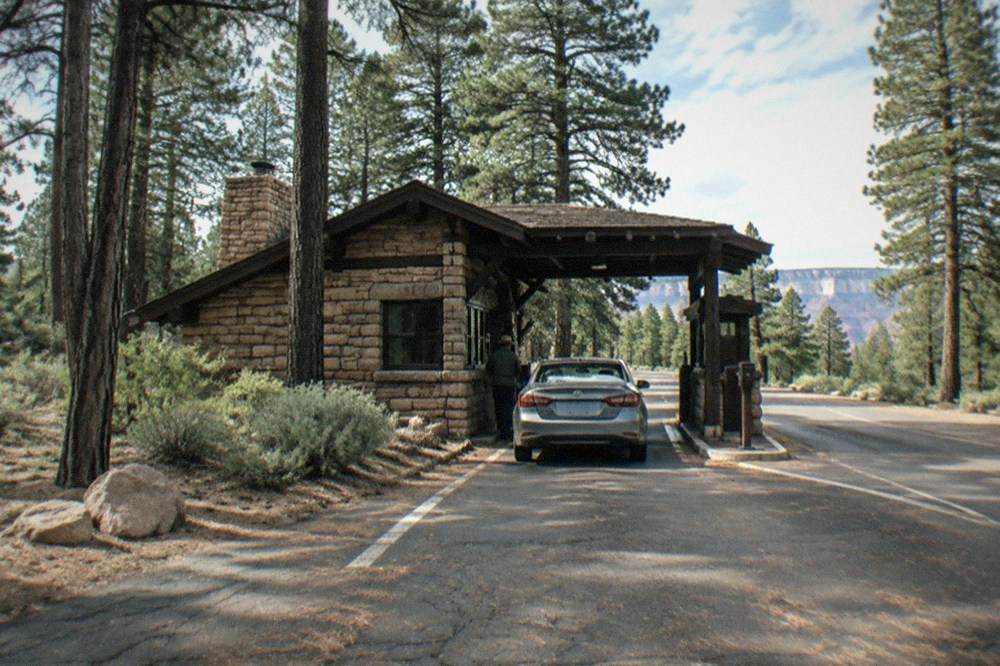
Parking at the South Rim itself is free once you are inside the gate, which is a genuine point in the self-drive column. What is not free is predictability. Village lots fill by late morning in spring and summer, and the park's shuttle system, not your car, becomes your transport along the rim. Self-drivers should plan to park once and move on foot or by shuttle, not to hop between viewpoints by car all afternoon.
| Self-Drive Cost Item | Figure | Notes |
|---|---|---|
| Private vehicle entry pass | $35.00 | Valid 7 days, both rims |
| Motorcycle entry | $30.00 | Same 7-day validity |
| Per person, no vehicle | $20.00 | Bicyclists and hikers |
| Children under 16 | Free | Entry pass covers them |
| Non-US resident surcharge | $100 per person | Ages 16+, on top of the pass |
| Annual Grand Canyon pass | $70.00 | America the Beautiful pass $80.00 for US residents |
| South Rim parking | Free | Village lots fill by late morning in peak season |
What A Guided Tour From Phoenix Costs And Includes
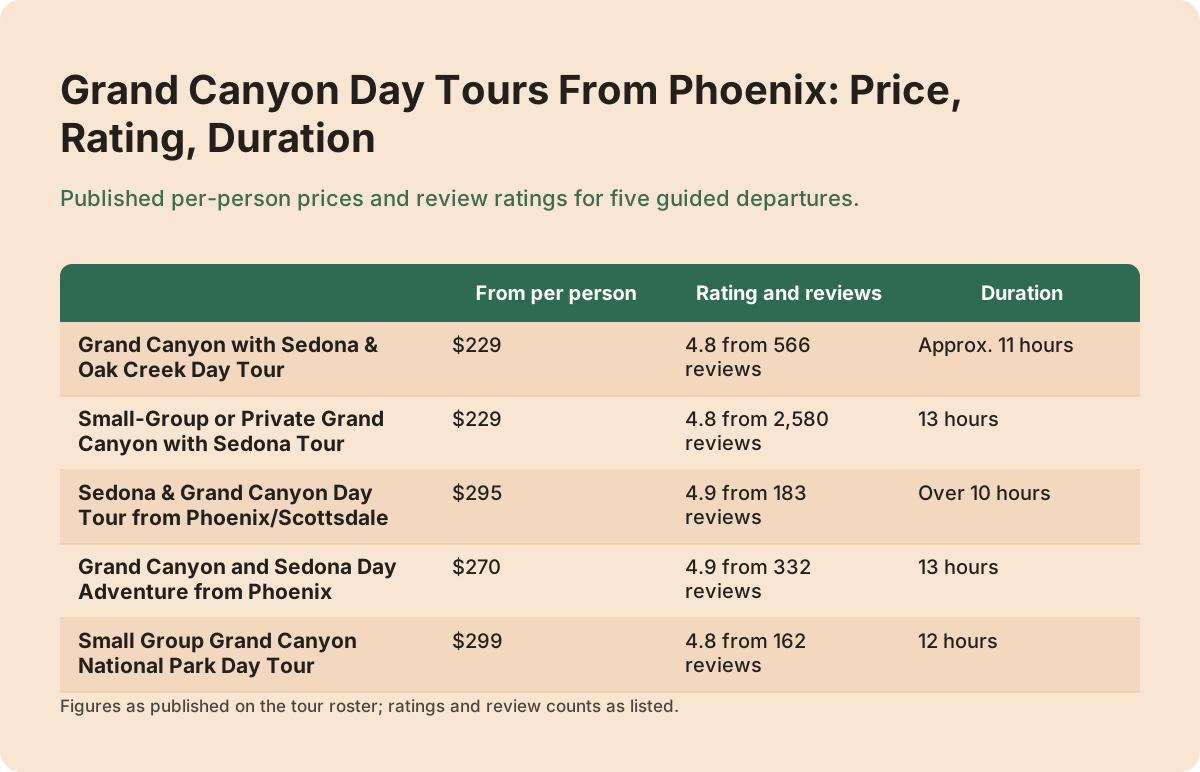
Guided Grand Canyon day tours from Phoenix run from $229 to $299 per person, with hotel pickup included on every departure on this roster, and the strongest listings carry ratings of 4.8 to 4.9 across hundreds to thousands of reviews. A tour seat costs more than the raw self-drive outlay for a group, but it converts eight hours of driving into eight hours of riding, and several tours fold Sedona into the same day.
The roster's own numbers make the comparison concrete. The Grand Canyon with Sedona and Oak Creek day tour runs from $229 per person with a 4.8 rating from 566 reviews. The small-group or private Grand Canyon with Sedona tour, a 13-hour departure, runs from $229 per person and carries a 4.8 from 2,580 reviews, one of the deepest review pools on the site. The Sedona and Grand Canyon day tour from Phoenix and Scottsdale runs from $295 per person with a 4.9 from 183 reviews, and the small-group Grand Canyon National Park day tour runs from $299 per person with a 4.8 from 162 reviews and a note that it often sells out.
| Departure | From Per Person | Rating And Reviews | Duration |
|---|---|---|---|
| Grand Canyon with Sedona & Oak Creek Day Tour | $229 | 4.8 from 566 reviews | Approx. 11 hours |
| Small-Group or Private Grand Canyon with Sedona Tour | $229 | 4.8 from 2,580 reviews | 13 hours |
| Sedona & Grand Canyon Day Tour from Phoenix/Scottsdale | $295 | 4.9 from 183 reviews | Over 10 hours |
| Grand Canyon and Sedona Day Adventure from Scottsdale or Phoenix | $270 | 4.9 from 332 reviews | 13 hours |
| Small Group Grand Canyon National Park Day Tour | $299 | 4.8 from 162 reviews | 12 hours |
What the tour side of the ledger buys is not just the seat. Pickup at your hotel removes the rental car question entirely, which matters for visitors flying into Phoenix, a point expanded in Renting A Car Vs Booking A Tour In Phoenix. A guide handles the entrance station, the parking strategy and the viewpoint sequencing. And the Sedona-combined tours turn the long drive into a two-destination day, stopping in Oak Creek Canyon and the red rock country that a self-driver racing the clock to the rim usually skips.
The price gap narrows or flips depending on party size. Two people driving split one entry pass and one fuel bill between them against two seats at $229 apiece on the least expensive departure, so the self-drive still saves real money. Four people driving share those same fixed car costs against four seats priced per person, and the gap widens with every additional traveler. One person driving alone, especially a non-US resident facing the $100 surcharge, may find a single $229 seat barely more expensive than the self-drive once a rental car day rate is added.
The full cost picture, including what is and is not included on the tour side, is broken out line by line in Grand Canyon Tour Cost From Phoenix, which is the companion page to this one if your decision is coming down to dollars.
What You Give Up By Driving Yourself
Driving yourself means you navigate the entrance station, the village parking crunch and the viewpoint sequence alone, and you arrive at the rim with no interpretive context unless you read ahead. It also means the driver of your group sees the least canyon: someone has to watch the road on the way in, at the rim turnarounds and on the four-hour drive home after a full day of walking at altitude.
The driver problem is the one self-drivers consistently underestimate. The Grand Canyon rewards lingering: walking the Rim Trail between viewpoints, waiting for the light to change, reading the layered rock. A designated driver in a self-drive party experiences the day as a series of logistics problems, and the person who most wanted to see the canyon often ends up the person who sees it least. On a guided departure, every adult in the vehicle is free to look out the window on the drive up and to walk the rim without thinking about where the car is parked.
Interpretation is the second quiet loss. A good guide turns the rock layers from scenery into a story, and the roster's strongest listings earn their ratings partly on that. The small-group or private Grand Canyon with Sedona tour carries its 4.8 from 2,580 reviews because the day runs smoothly and the guiding lands; a review pool that size is real signal, not marketing. A self-drive can approximate some of this with the park's own ranger programs and trailside signage, but you have to seek those out, and rim time is short enough that many self-drivers never do.
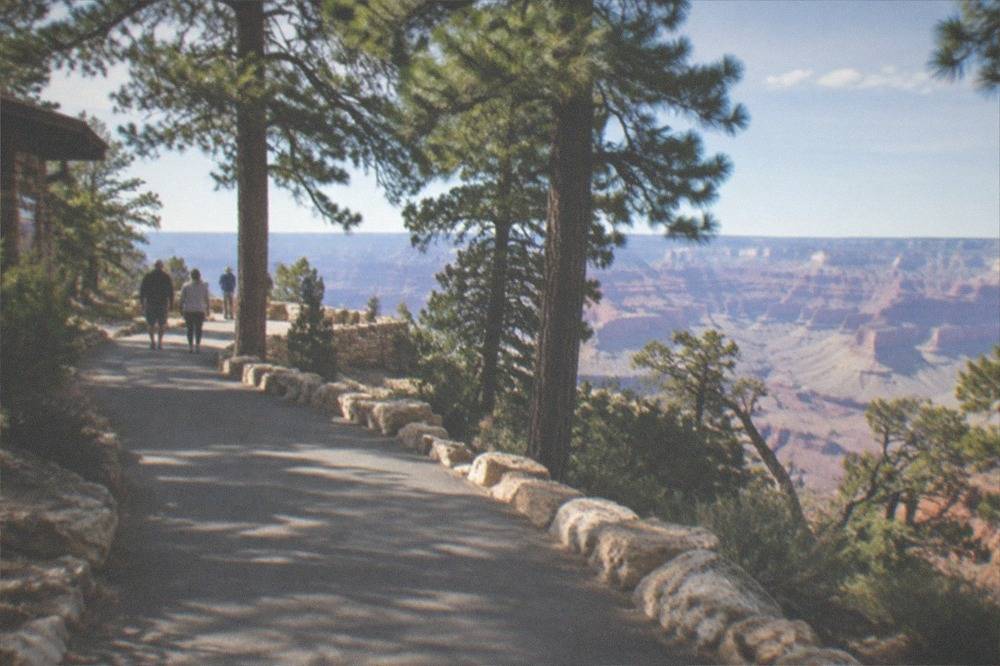
The third loss is recovery. The South Rim sits a mile above sea level and the approach is a long climb out of the desert, and a full day there plus the drive home is a longer physical day than most itineraries account for. Tour passengers sleep or read on the return leg. Self-drivers cannot. If your Grand Canyon day is day one of a longer Arizona trip, arriving back in Phoenix at 10 pm and then driving again the next morning is a real cost, even if it never shows up on a receipt.
When Driving Yourself Actually Beats A Tour
Driving wins on three counts: cost for groups of three or more, total schedule freedom, and the ability to arrive before or after the tour buses. A self-driver can reach the rim at sunrise, stay for sunset, or detour through Flagstaff and Cameron, and a car full of people splits one entry pass and one fuel bill, savings no per-person tour pricing can match.
The schedule-freedom argument deserves more weight than it usually gets. Guided tours run on a fixed clock because they must: pickup rounds, rim time and the return leg are all scheduled to the half hour. A self-driver who wants sunrise at Mather Point, or who wants to linger at Desert View Drive's viewpoints where most vans only stop briefly, can simply do it. Photographers in particular tend to drive, because the light they want is at the edges of the day, exactly when tours are not at the rim.
The cost math flips decisively at three passengers. Three travelers on the $229 departure each pay per person, while three travelers in one car share a single $35 pass and one fuel bill; the same per-seat arithmetic holds at every price point on the roster. For families, the entry pass itself helps: children under 16 enter free, and a family of five in one vehicle pays a single $35 pass. The tour side charges per person, so large parties pay linearly. This is the same per-group versus per-person dynamic that decides the Private Vs Group Tour Grand Canyon Phoenix question.
Timing flexibility has one more edge case worth naming. If you want the South Rim as an overnight or two-day trip rather than a single day, driving is close to mandatory, since the roster's products are day tours by design. A self-drive with a night in Tusayan splits the drive in half and doubles the rim time. That is a different trip than the one this page compares, but it is the honest answer for anyone whose real question is "is one day enough," and it is a question worth deciding before you book anything.
The 2026 Flash Flood Factor You Should Know Before You Go
The August 29, 2026 flash flood in Bright Angel Canyon damaged the Transcanyon Waterline and closed all in-park lodging at the South Rim and Phantom Ranch through at least October 31, 2026. Day use, the viewpoints and the Rim Trail stayed open and roads were unaffected, so the day-tour experience is intact, but anyone planning to stay overnight inside the park needs to plan around the closure.
For the specific question on this page, the flood changes almost nothing about the drive-versus-tour comparison: both self-drivers and tour passengers are day users, and day use is unaffected. Where it does bite is the upgrade path. The self-driver who planned to sleep at the rim cannot, at least through late October 2026, and lodging in Tusayan and Flagstaff absorbs the displaced demand. If you were leaning toward a self-drive specifically to build an overnight into the trip, verify in-park lodging status before committing.
The other 2026 planning reality is heat. Phoenix summers run hot enough that the National Weather Service issues heat alerts using its HeatRisk framework, which weighs forecast highs, overnight lows, duration and how unusual the heat is for the date rather than a single temperature trigger, per the NWS Phoenix heat page. The practical read: check the live forecast before any midday outdoor activity from June through September. The rim runs far cooler than Phoenix in summer, but the drive out of the valley is not, and a tour vehicle with air conditioning running the whole way handles that leg better than a rental car you have just climbed into off a hot parking lot.
Which Guided Departures Make The Tour Case Strongest?
The strongest tour-side options are the Sedona-combined departures, which turn the long drive into a two-destination day, and the small-group national park tour, which spends the whole day inside Grand Canyon National Park. The Grand Canyon with Sedona and Oak Creek day tour runs from $229 per person, about 11 hours, with hotel pickup and a 4.8 rating from 566 reviews.
The Sedona-combined formula is the roster's best answer to the "eight hours of driving" objection. Instead of driving past red rock country at highway speed, the Grand Canyon with Sedona and Oak Creek day tour stops in it: Oak Creek Canyon, Sedona itself, then the rim, then home. It often sells out, which tells you the two-destination formula has demand. Check availability on the operator's live listing if that combination fits your dates, or read the fuller write-up at Grand Canyon Tour From Phoenix.
For visitors who want the canyon itself, not the drive's greatest hits, the small-group Grand Canyon National Park day tour is the purer product: 12 hours, from $299 per person, hotel pickup, a 4.8 from 162 reviews, and a sellout warning in peak season. Small group means fewer seats, more rim flexibility and a guide who can answer questions individually. It is also the departure most likely to appeal to the self-driver who is only wavering because of the drive home.
The third option worth naming is the Grand Canyon and Sedona day adventure from Scottsdale or Phoenix, a 13-hour departure from $270 per person with a 4.9 rating from 332 reviews. It splits the difference: Sedona time on the way up, a long but structured day, and pickup coverage for travelers staying in Scottsdale rather than central Phoenix.
So Is It Worth Driving, Or Should You Book The Seat?
Drive if you are three or more people, want sunrise or sunset at the rim, or plan an overnight in Tusayan or Flagstaff. Book a tour if you are one or two travelers, are visiting from outside the US, are flying into Phoenix without a rental car, or simply value arriving at the rim rested over saving a few hundred dollars. For most first-time visitors on a short Arizona trip, the guided day tour is the better day.
The decision genuinely reduces to those two lists, and pretending otherwise would be dishonest. The self-drive is a fine trip: the route is easy, the park is open around the clock, and a car full of people splits costs beautifully. What it cannot do is give anyone in the car a day off, and on a vacation, that is the resource people are actually short of.
| Your Situation | Better Option | Why |
|---|---|---|
| Group of three or more | Drive | One $35 pass and one fuel bill cover everyone |
| Solo traveler or couple, short on time | Guided tour | Per-seat pricing stings less, hotel pickup included |
| Flying in without a rental car | Guided tour | Every roster departure includes hotel pickup |
| Want sunrise or sunset at the rim | Drive | Fixed tour clocks cannot wait for edge-of-day light |
| Non-US resident group | Compare carefully | $100 per person surcharge applies on top of entry |
| Overnight in Tusayan planned | Drive | Roster products are day tours by design |
For the tour side, the deciding details are practical ones. Every Grand Canyon departure on this roster includes hotel pickup, and the booking flow on the operator's live listing carries free cancellation, so the decision is reversible in a way a rental car reservation sometimes is not. If you are on the fence, the two-destination Sedona combination is the option that most changes the calculus, because it answers the biggest self-drive advantage, schedule freedom, with the one thing a fixed itinerary can do that a car cannot: two parks' worth of scenery in one booked day.
First-time visitors should also read Best Day Tours From Phoenix For First-Time Visitors before deciding, since the canyon is only one of several day trips worth weighing, and the site's own homepage at Day Tours from Phoenix lays out the full roster of departures if you want to compare the canyon against Sedona, Antelope Canyon and the Apache Trail side by side.
Common Questions About Driving To The Grand Canyon From Phoenix
How far is the Grand Canyon from Phoenix?
The South Rim is approximately 225 miles from Phoenix, about a 3.5 to 4 hour drive each way via I-17 north to US-180 and AZ-64. A round trip means covering that distance twice in one day, with the return leg often after dark.
Can you do a day trip to the Grand Canyon from Phoenix?
Yes. It is a long day, roughly 13 hours door to door on a guided tour, but the South Rim is close enough that Phoenix is one of the most common starting points for canyon day trips. The details are laid out in Can You Do A Day Trip To The Grand Canyon From Phoenix.
How much does it cost to drive to the Grand Canyon from Phoenix?
Entry is $35 per private vehicle, valid seven days at both rims, plus roughly $60 to $80 of fuel for the round trip in a typical sedan; meals are the other variable. Non-US residents aged 16 and older pay an additional $100 per person on top of the entry pass.
Is a Grand Canyon tour from Phoenix worth it instead of driving?
For one or two travelers, often yes. Tour seats run from $229 to $299 per person with hotel pickup, and the difference against self-drive costs is partly recovered in fuel, parking logistics, rental car days and the value of not driving eight hours. For groups of three or more, the per-person pricing makes driving significantly cheaper.
Is the South Rim open in 2026?
Yes. The August 29, 2026 flash flood closed in-park lodging and Phantom Ranch through at least October 31, 2026, but day use, viewpoints, the Rim Trail and the roads all stayed open. Day tours and self-drive visits are unaffected.
Do I need a reservation to enter the Grand Canyon?
No. South Rim day use requires no timed entry or reservation, just the entrance fee at the gate. In-park lodging and Phantom Ranch require bookings, and lodging inside the park is closed through at least late October 2026 following the flood.