What To Bring On A Grand Canyon Day Tour From Phoenix
The South Rim sits far higher and far drier than the Valley of the Sun, and a day tour from Phoenix spends up to four hours on the road each way. Here is exactly what to pack, wear, carry and leave behind.
Short answer
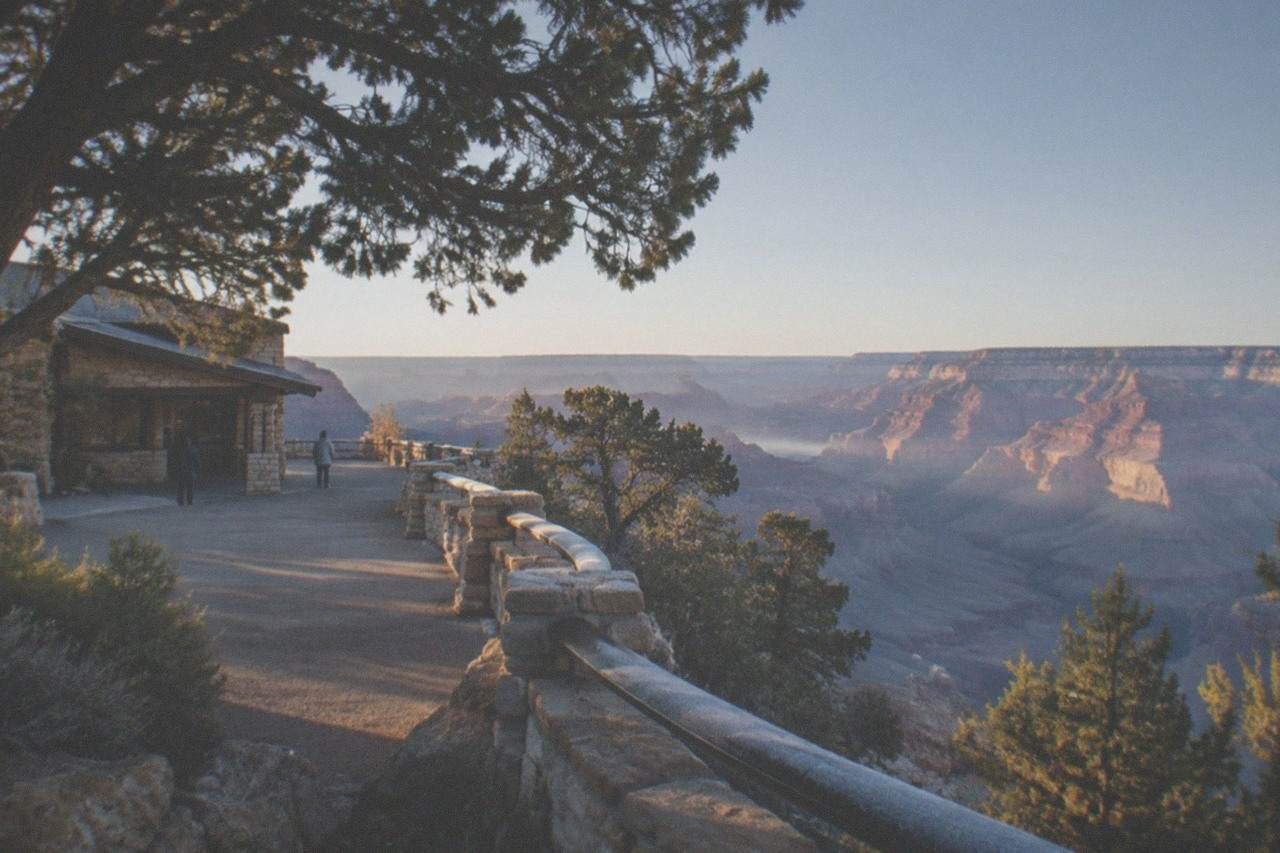
Pack layers, sun protection and more water than feels reasonable: the South Rim is cooler and windier than Phoenix, and the drive is roughly 225 miles each way. The $35-per-vehicle park entrance fee is covered on guided tours, but a daypack with two liters of water per person, a hat, sunscreen and a warm layer covers the essentials.
The drive from Phoenix to the Grand Canyon's South Rim covers roughly 225 miles and takes three and a half to four hours each way, which means a day tour is really two road trips wrapped around a few hours at the rim. What you bring has to serve both halves of that day: the long, air-conditioned haul up I-17 and the exposed, windy, surprisingly cool hours at the canyon itself. This guide walks through the packing list piece by piece, with the current conditions on the rim factored in.
The single biggest mistake visitors make is packing for Phoenix weather. The Valley in summer routinely runs hotter than the rim, and in winter the rim can sit below freezing while Phoenix enjoys lunch outdoors. The canyon punishes both assumptions. Add the practical realities of a guided day tour, limited van space, a set departure time and no chance to pop back to the car, and the list below becomes less about comfort and more about whether the day works at all.
What Should You Pack For A Grand Canyon Day Tour?
Pack a small daypack per person with water, sun protection, layers and snacks, and keep it light enough to carry all day. The essentials are two liters of water per person minimum, a wide-brimmed hat, sunscreen, sunglasses, a warm outer layer even in summer, and comfortable walking shoes. Everything else either lives in the van or gets left at the hotel.
That core list holds in every season. What changes is the weight of the layers and the quantity of water. A summer visit calls for the full two liters per person and electrolyte replacements, because the dry air wicks moisture out of you faster than you notice. A winter visit can drop the water slightly but demands a real insulated jacket, gloves and a warm hat, since rim viewpoints funnel wind straight off the canyon with nothing to block it.
Guided tours on this roster, such as the Grand Canyon with Sedona and Oak Creek Day Tour, build in stops where you can buy food and drink, but prices at the rim are what you would expect from a remote park with one road in. Bringing your own snacks costs less and guarantees you eat when you want to, not when the line allows. Choose things that survive a hot van: nuts, jerky, dried fruit and granola bars all travel well, while chocolate does not.
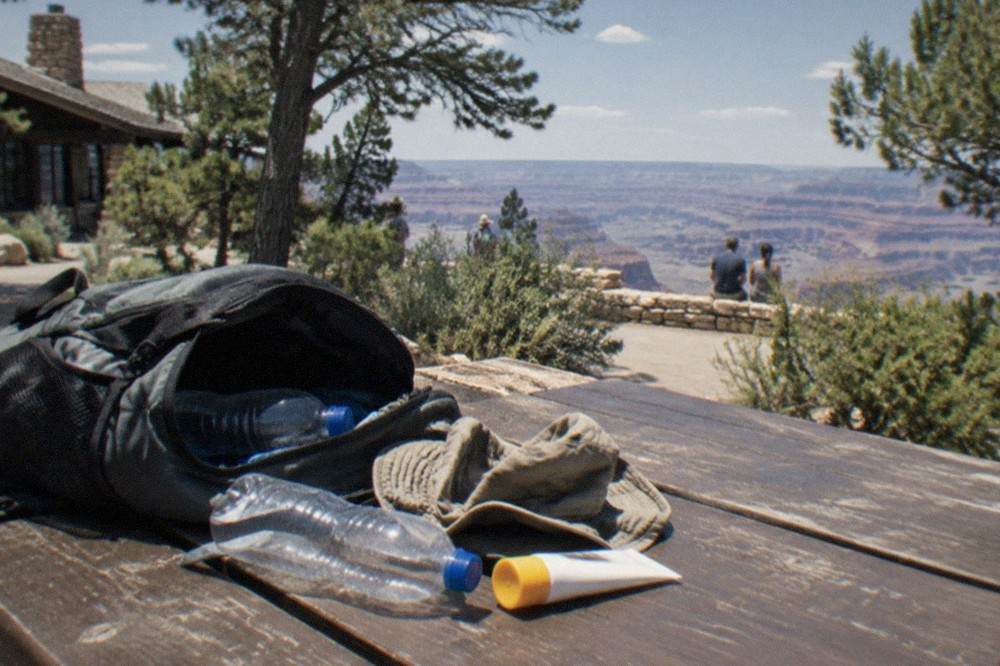
The bag itself matters more than people think. A small backpack with zippers beats a tote or a shoulder bag because you will want both hands free at viewpoints, on stairs and on the Rim Trail. Keep it under what you would carry on a flight as a personal item; van storage is shared and the less you bring, the faster every stop goes.
How Does The Rim's Elevation Change What You Need?
The South Rim sits thousands of feet above Phoenix, and that gap rewrites your packing list twice over: temperatures run cooler, the sun burns harder, and the air is thin enough to notice on stairs. Pack for weather roughly a season behind the Valley, and take the sun seriously even when it feels cold.
Thinner air filters less ultraviolet radiation, so a winter sun at the rim can burn exposed skin almost as fast as a summer one in the Valley. Sunscreen belongs in your pocket year-round, not just in June. The same thin air also dehydrates you faster, and visitors who flew into Phoenix the day before sometimes feel the elevation on the climb up the Bright Angel Trailhead stairs or the walk between viewpoints. Pace yourself on the first hour at the rim before deciding how ambitious to be.
Temperature swings are the other elevation effect. A rim morning can start cold enough for a jacket and warm into short-sleeve weather by early afternoon, then drop again the moment the sun drops behind the canyon walls. Locals describe the correct outfit as layers you can shed and stack, and that is exactly right: a base t-shirt, a fleece or pullover, and a windproof outer layer covers nearly every day of the year at the South Rim.
| Season at the rim | Typical base layer | Mid layer | Outer layer | Extras |
|---|---|---|---|---|
| Summer (Jun-Aug) | Short-sleeve shirt | Light long-sleeve for sun | Windbreaker for viewpoints | Extra water, electrolytes |
| Fall (Sep-Nov) | T-shirt or long-sleeve | Fleece or pullover | Windproof jacket | Warm hat for mornings |
| Winter (Dec-Feb) | Long-sleeve base | Insulated mid layer | Winter coat, gloves | Warm hat, hand warmers |
| Spring (Mar-May) | Layered tops | Fleece | Windbreaker | Hat for sun and warmth |
The National Park Service keeps the South Rim open 24 hours a day, 365 days a year, with some facilities reducing hours in winter, so the season you travel in shapes the facilities as much as the weather. Checking the official park hours page before you pack tells you which visitor centers and food service will actually be open on your date.
What Should You Wear On Your Feet And Body?
Wear closed-toe walking shoes with real tread, clothing you can layer, and nothing you would mourn if it met dust, sun or a sudden shower. The Rim Trail is paved but long, the viewpoints involve stairs and uneven stone, and flip-flops fail on all of it. Athletic shoes or light hikers are the correct call for a day tour.
Footwear is where day tours go wrong most often. The classic rim visit involves a mile or more of walking between viewpoints, sections of the Rim Trail with gentle grades, and paved paths that are safe but rarely flat. Sandals and dress shoes turn that into a blister factory. Trail runners, walking shoes or lightweight hikers handle everything a non-technical rim visit asks of your feet, and breaking the shoes in before the trip matters more than buying fancy ones.
Clothing fabric deserves one sentence of thought: synthetic and wool blends handle sweat and wind better than cotton, which holds moisture and turns cold the moment the wind picks up. A cotton t-shirt that soaked through on the walk to Mather Point becomes a liability standing at the viewpoint twenty minutes later. Nobody needs a technical wardrobe for a day tour, but choosing the non-cotton option from your drawer is free.
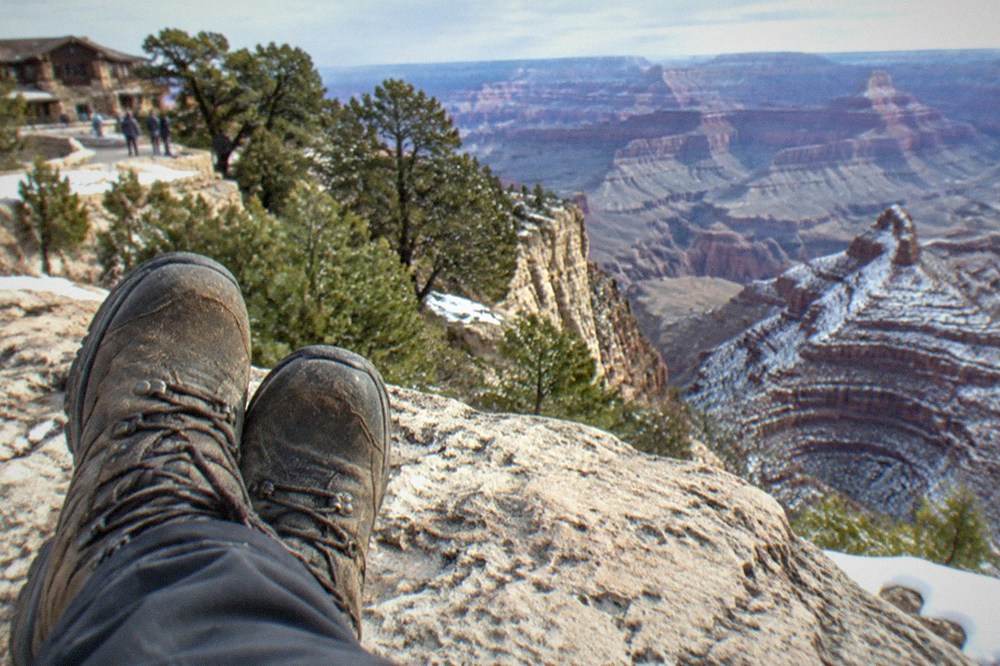
A hat with a brim beats a baseball cap because the sun comes off the canyon at angles a cap does not block, and a chin strap or a snug fit matters on windy days when gusts coming up from the canyon have taken more than one tourist's cap over the edge. Sunglasses, lip balm with SPF and a bandana or buff round out the personal kit cheaply.
How Much Water And Food Should You Carry?
Carry at least two liters of water per person for the rim portion of the day, plus snacks that survive heat and jostling. Guided tours provide no guaranteed water refills at viewpoints, rim faucets are seasonal, and the dry air dehydrates you faster than the temperature suggests. Food at the rim is available but slow and pricey.
Two liters per person is the floor, not the target, for summer visits. The air at the rim is dry enough that you can lose significant moisture without ever feeling sweaty, and the first sign of dehydration on a canyon day is usually a headache, not thirst. Drink on a schedule rather than on cue: a few swallows every time you change viewpoint does more than a bottle drained at lunch. Electrolyte tablets or powder packets weigh nothing and fix the salt loss that plain water cannot.
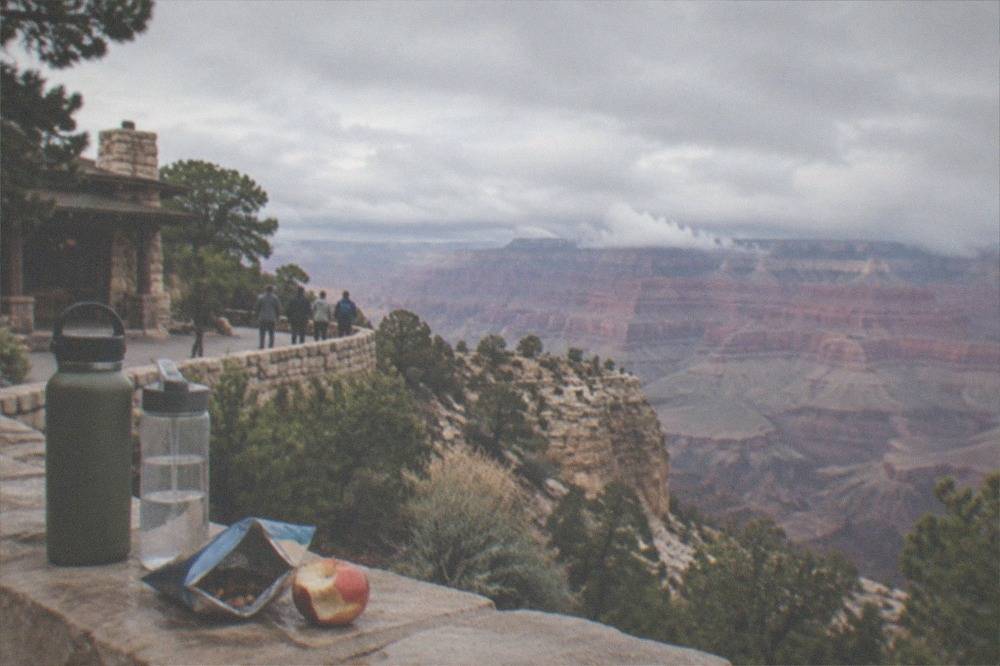
For food, think in two categories. The first is snacks you can eat standing up at a viewpoint: trail mix, bars, jerky, fruit that travels like apples or oranges. The second is an actual lunch if your tour does not include one, and here the itinerary matters. The Grand Canyon with Sedona and Oak Creek Day Tour runs about 11 hours from Phoenix and builds in meal stops, so check the operator's live listing for what is included before you load a cooler. The Small-Group or Private Grand Canyon with Sedona Tour from Phoenix, rated 4.8 across 2,580 reviews and from $229 per person, is another long day where the same question applies.
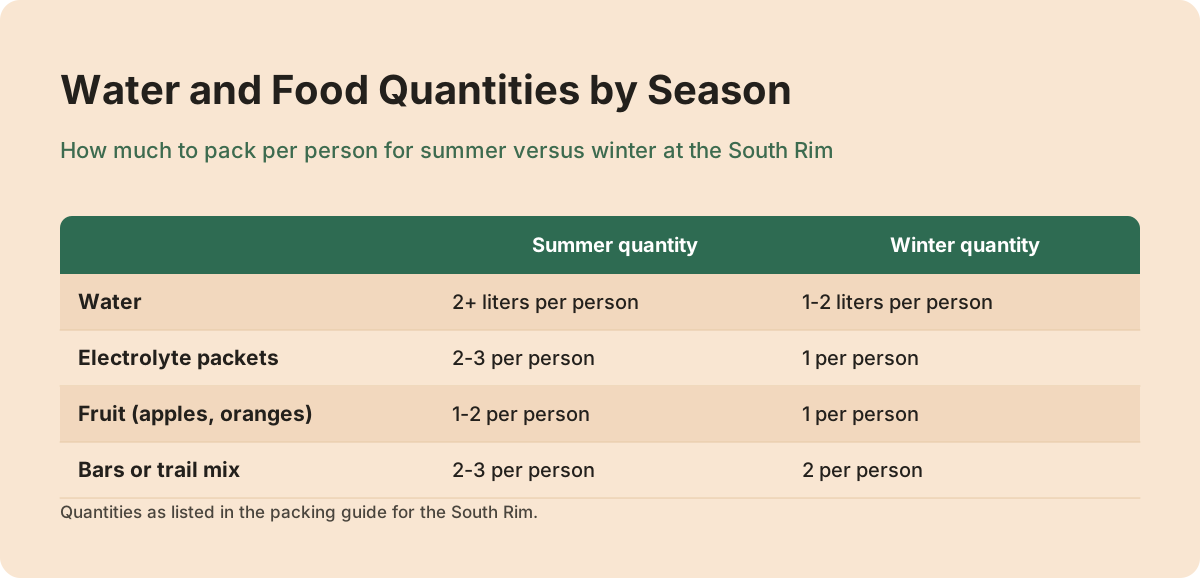
| Item | Why it earns its spot | Summer quantity | Winter quantity |
|---|---|---|---|
| Water | Dry air dehydrates without sweat | 2+ liters per person | 1-2 liters per person |
| Electrolyte packets | Replaces salt plain water misses | 2-3 per person | 1 per person |
| Salty snacks | Keeps thirst and sodium in balance | Generous | Moderate |
| Fruit (apples, oranges) | Hydrating and heat-tolerant | 1-2 per person | 1 per person |
| Bars or trail mix | Eaten anywhere, no lines | 2-3 per person | 2 per person |
| Chocolate or meltables | Fails in a hot van | Leave it | Fine |
One note on storage: keep the day's food in your daypack, not in the van, when the group splits up at viewpoints. Tours give you free time in blocks, and the snack in your pocket beats the sandwich in the vehicle every time.
What Weather Hazards Should You Prepare For?
Prepare for three hazards regardless of season: intense sun, wind at the viewpoints, and summer monsoon storms that can arrive fast between June and September. Winter adds ice on shaded rim paths. None of these are exotic, but each one ruins a day for the person who ignored it, and all three are manageable with items that fit in a daypack.
The sun is the constant hazard. Ultraviolet exposure at the rim is stronger than the temperature suggests, and a burn acquired by 10 a.m. makes the rest of an 11-hour day miserable. Sunscreen applied at the hotel before pickup, reapplied at lunch, plus a brimmed hat and sunglasses, is the complete defense. The National Weather Service's Phoenix office tracks desert heat and sun risk through its HeatRisk guidance pages, worth a read the evening before any summer departure.
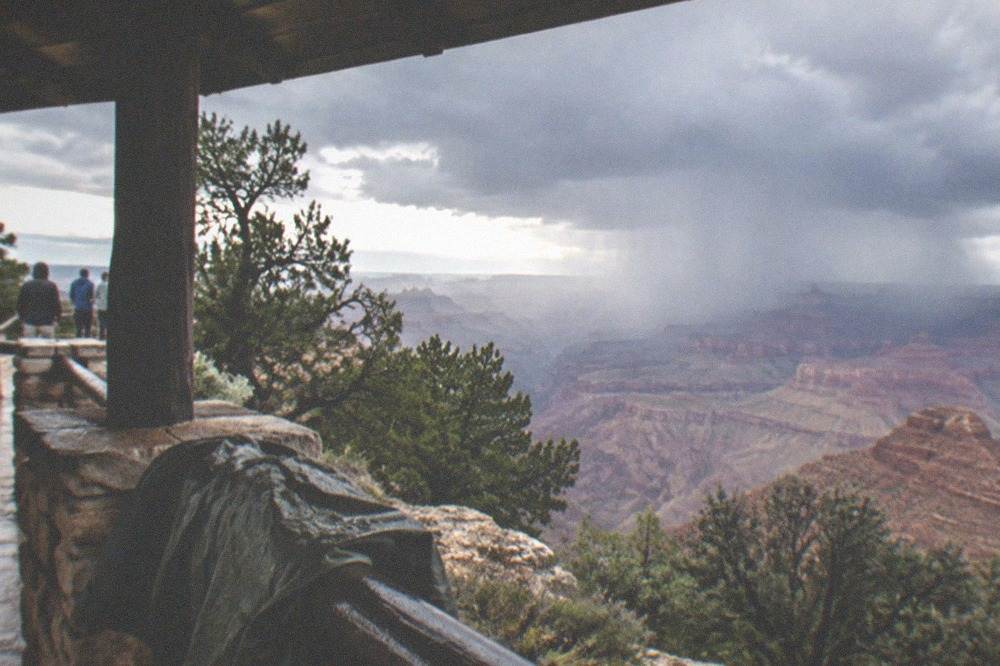
Monsoon season, roughly June through September, brings afternoon thunderstorms that can build over the canyon with little warning. The practical packing response is a cheap packable rain shell, which also doubles as your wind layer, and the awareness that lightning near an open viewpoint means retreating to the vehicle or a building, not sheltering under the rim's metal railings. Winter flips the hazard: shaded stretches of the Rim Trail and viewpoint stairs can hold ice well into the morning, so shoes with real tread and a cautious stride matter more than any gadget.
| Hazard | Season | Packing answer | Behavior answer |
|---|---|---|---|
| Intense sun | All year | Sunscreen, brimmed hat, sunglasses | Reapply at lunch |
| Rim wind | All year | Windproof outer layer | Hold hats and phones at viewpoints |
| Monsoon storms | Jun-Sep | Packable rain shell | Retreat from exposed viewpoints in lightning |
| Ice on paths | Dec-Feb | Treaded shoes, cautious pace | Avoid shaded stairs early |
| Afternoon heat in Phoenix | Jun-Sep | Water in the van for the drive home | Drink on the drive, not just at the rim |
The last hazard is the one people forget: the drive home. After a full day of sun and walking, the return leg to Phoenix lands in the hottest part of a summer evening, and the travelers who finished their water at the rim are the ones who feel it. Keep a spare bottle in your bag for the road.
What Do The Current Closures Mean For Your Packing List?
The August 29, 2026 flash flood in Bright Angel Canyon damaged the Transcanyon Waterline and closed in-park lodging and Phantom Ranch through at least October 31, 2026, but day use, viewpoints and the Rim Trail stayed open and roads are unaffected. For a day tour, that means pack as normal, with one addition: build zero plans around staying overnight inside the park.
The closure does not change what goes in your daypack, but it does change the logistics around it. Day-use visitors keep full access to the viewpoints and the Rim Trail, so the standard packing list on this page applies without modification. What the flood took off the table is the spontaneous overnight: anyone who might have converted a day tour into a lodge stay needs to know that in-park lodging is closed through at least the end of October 2026, which pushes any overnight plans to lodging outside the park in Tusayan or Williams.
The flood also underlines a packing principle that applies to any canyon visit in monsoon season: water shapes this landscape, and the same storm systems that closed the waterline can close trails elsewhere with little notice. A paper or offline map of the rim, or a screenshot of your tour's meeting point, costs nothing and works when cell signal at the canyon does not. If you want the deeper background on how the drive and the day actually fit together, our guide on driving versus touring to the canyon covers the timing question in full.
For weather-sensitive items the park entrance fee structure is worth knowing even though guided tours handle it: a private vehicle pass runs $35 and is valid seven days at both rims, per the park's official fees page. If you are weighing whether the tour price beats the DIY cost of gas, entry and food, our breakdown of Grand Canyon tour costs from Phoenix runs the full math.
What Should You Leave Behind?
Leave behind drones, pets, glass bottles, single-use plastic you cannot pack out, and anything you would hate to lose over a railing. Drones are banned in the national park, pets are restricted beyond a short stretch of trail, and glass is prohibited on trails. The van will not wait while you run an item back to the car.
The drone ban surprises people every week. National park regulations prohibit launching or operating drones anywhere inside Grand Canyon National Park, and the fine is not symbolic. If aerial photography is the goal, the honest answer is that no helicopter product operates from Phoenix on any roster we track; our comparison of helicopter tours versus bus tours from Phoenix explains what actually exists and what the motorcoach alternatives offer instead.
Pets are the other common casualty. Dogs are allowed on a limited basis above the rim but barred from the trails below, and a day tour van is no place for a dog on an 11-hour itinerary anyway. Boarding in Phoenix costs less than a ruined day. Glass containers are banned on trails, and honestly they are a poor idea anywhere in a shared van; a metal or plastic bottle does the same job.
The leave-behind list also has a softer side: the selfie stick you never use, the third camera lens, the guidebook when your guide is literally standing next to you. Every pound you do not carry is a pound you do not regret at viewpoint four. The people who enjoy canyon day tours most are the ones traveling light enough to forget they packed at all.
How Does The Season Change The List?
Summer demands maximum water and sun defense, winter demands real insulation and tread, and the shoulder seasons of spring and fall are the easiest packing windows, needing layers and a windbreaker. The list below scales the same core kit across the year, and the tour calendar follows the same logic, with the busiest booking windows in spring and fall.
Spring and fall are the seasons where the standard list works with almost no adjustment. Days run mild, nights at the rim run cold, and a fleece plus windbreaker covers the spread. These are also the months when tours sell out most, which is a packing-adjacent problem: the right bag packed for a tour that has no seats is worthless. Our guide to the best time of year for Arizona day tours lays out the full calendar logic.
Summer is the season of water discipline. The monsoon adds storm risk to the afternoons, the sun is at its most punishing, and the drive home lands in peak Valley heat. Winter inverts everything: the packing weight shifts from liquids to insulation, ice on shaded paths becomes the main hazard, and the reward is crowd-free viewpoints and haze-free air that photographers travel for. The tour itself runs year-round, and the van is heated and cooled, so the list is really about the hours outside it.
| Season | Add to the core kit | Drop from the core kit | Watch for |
|---|---|---|---|
| Spring | Warm hat for mornings | Insulated jacket | Late-season snow on shaded paths |
| Summer | Extra water, electrolytes, rain shell | Warm mid layer | Monsoon storms, afternoon heat on the drive home |
| Fall | Fleece for evenings | Rain shell by November | Early cold snaps |
| Winter | Insulated coat, gloves, warm hat | Extra water volume | Ice on stairs and shaded trail |
However you build the list, the tour you book sets its limits. The trio below covers the three most-booked Phoenix departures to the South Rim, all with hotel pickup and all priced from $229 to $295 per person.
For the full picture of what departs the Valley and what each day looks like on the ground, start with Day Tours from Phoenix and work outward from there.
Common Questions About What To Bring On A Grand Canyon Day Tour
What should I bring on a Grand Canyon day tour from Phoenix?
A small daypack per person with two liters of water, sunscreen, a brimmed hat, sunglasses, snacks, and layers: a base shirt, a fleece and a windproof outer layer. Add comfortable closed-toe walking shoes and a packable rain shell in summer. Keep it light, since van space is shared and you carry the bag all day.
Do I need to bring my own water, or do tours provide it?
Bring your own. Guided tours on this roster do not guarantee water refills at viewpoints, and rim water fountains are seasonal. Two liters per person is the practical floor, more in summer, because the dry air dehydrates you faster than the temperature suggests. Electrolyte packets weigh nothing and are worth the pocket space.
How cold does the South Rim get compared to Phoenix?
Noticeably colder in every season, and the gap is biggest at dawn and dusk when rim wind funnels up from the canyon. A day that feels like short sleeves in Phoenix can call for a fleece and jacket at the rim. The layering approach, a base, a mid layer and a windproof shell, handles the full spread without overpacking.
Can I bring a backpack on the tour van?
Yes, and a small one is the right move. Keep it to a flight-personal-item size so shared van storage stays workable, and keep the day's essentials in it rather than in the van, since free time at viewpoints happens away from the vehicle. Zippers beat open totes because you want both hands free on the Rim Trail.
Are drones allowed at the Grand Canyon?
No. Launching or operating a drone is prohibited throughout Grand Canyon National Park, and the ban is actively enforced with real fines. If aerial footage is the goal, look at the sightseeing alternatives instead; no helicopter product departs Phoenix on the rosters we track, and our helicopter versus bus comparison explains the honest options.
Does the flood closure change what I should pack?
No. The August 2026 flash flood closed in-park lodging and Phantom Ranch through at least October 31, 2026, but day use, viewpoints, the Rim Trail and the roads all stayed open. Pack the standard list, and simply plan any overnight stay outside the park in Tusayan or Williams.