Grand Canyon Vs Sedona Vs Antelope Canyon: Which Day Trip From Phoenix Fits You
Three destinations, three very different days. Here is how the Grand Canyon, Sedona and Antelope Canyon trips from Phoenix compare on drive time, cost, physical demand and what you actually get for the day.
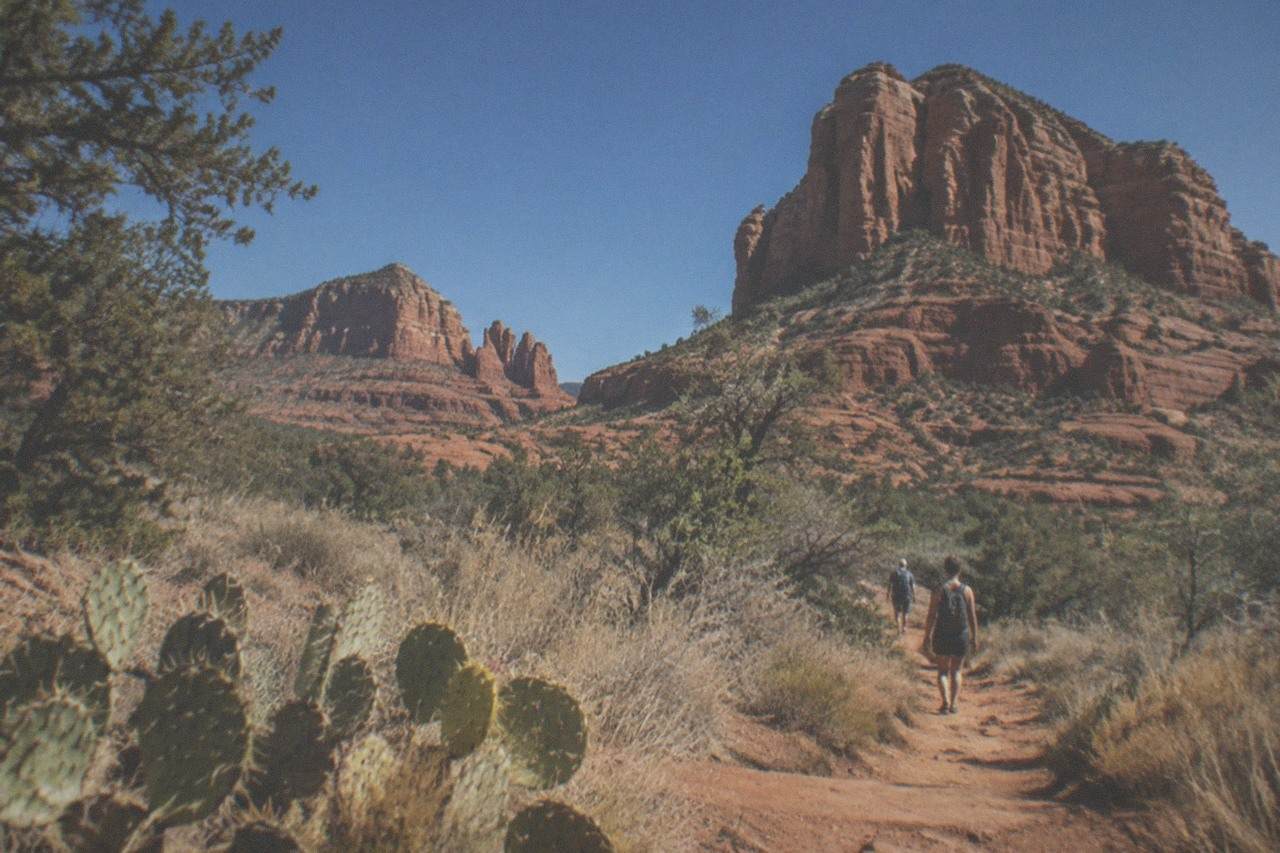
Short answer
Sedona is the shortest day at about 115 miles each way, with trips from $165 per person. The Grand Canyon South Rim is roughly 225 miles and 3.5 to 4 hours each way, from $229 per person. Antelope Canyon near Page is the longest day, 275-plus miles and 15 to 16 hours round trip, from $351 per person plus a $15 Navajo permit.
Which Arizona Day Trip From Phoenix Fits You?
Sedona wins on drive time and price, the Grand Canyon wins on scale, and Antelope Canyon wins on the single most photographed slot canyon in the country, but it charges for both in hours: 15 to 16 for the full day. If you have one free day and a moderate budget, Sedona from $165 per person is the efficient pick; if this is a once-only Arizona trip, the Grand Canyon from $229 is the one you will remember.
Most visitors arriving in Phoenix face the same menu. Three headline destinations sit within a long day's reach of the city, and each one sells a completely different experience: a mile-deep chasm, a red rock playground, or a narrow sandstone slot canyon four and a half hours north. The question is rarely "which is best," because they are not really competing on the same terms. The question is which one fits your schedule, your budget and your legs.
This guide compares the three using one representative bookable departure per destination, all leaving from the Phoenix metro: the Grand Canyon with Sedona and Oak Creek day tour (4.8 from 566 reviews, from $229 per person), the Sedona, Jerome and Montezuma Castle day trip (4.9 from 39 reviews, from $165 per person), and the Antelope Canyon and Horseshoe Bend day tour from Scottsdale (4.9 from 42 reviews, from $351 per person). We compared the listing data side by side so you do not have to.
This three-way decision is the founding question behind Day Tours from Phoenix, and the site carries 34 bookable departures in total if none of the headline three fits your dates. One honest framing note before the detail: these are three very different days, and the right answer often depends on factors people forget to weigh, like how much of the day you are willing to spend in a vehicle, and whether your travel dates fall in monsoon season, when Antelope Canyon trips can be cancelled the same day for flash flood risk. If you are still building your overall Arizona plan, our overview of the best tours for first-time visitors ranks the whole roster.
How Long Is Each Drive From Phoenix?
Sedona is about 115 miles and 2 hours each way; the Grand Canyon South Rim is about 225 miles and 3.5 to 4 hours each way; Antelope Canyon near Page is about 275 miles and 4.5 to 5 or more hours each way. That makes the Sedona day roughly 4 hours of total driving, the Grand Canyon day 7 to 8, and the Antelope Canyon day 9 to 10 or more before you count stops.
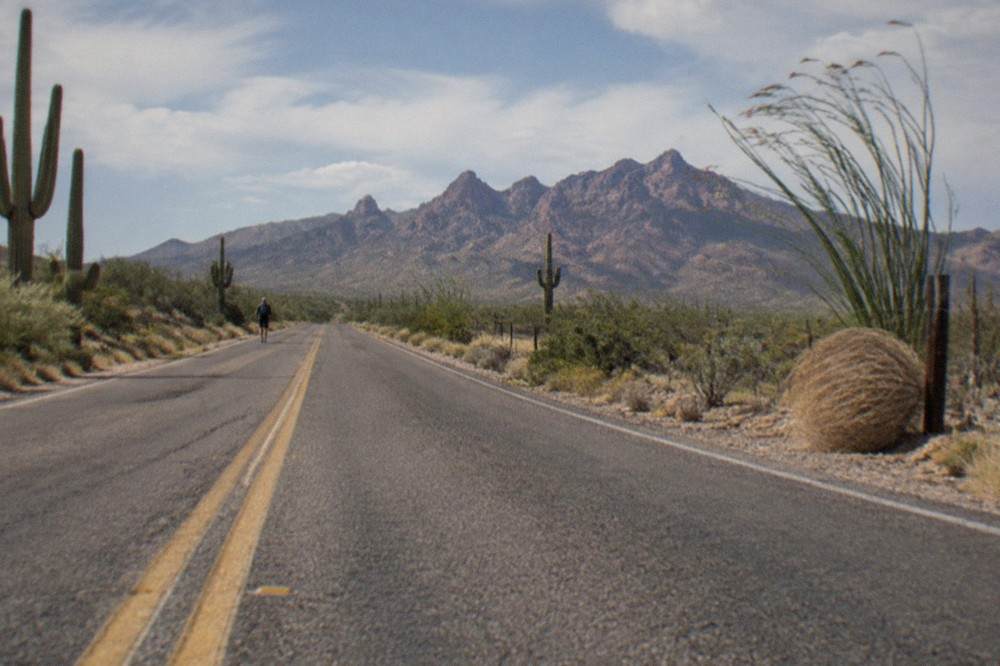
Drive time is the single most underestimated factor in this decision. The distances above come from standard routing out of downtown Phoenix: I-17 north to AZ-179 for Sedona, I-17 north to US-180 and AZ-64 for the South Rim, and I-17 north to US-89 for Page. Traffic on I-17 out of Phoenix on a Friday or holiday weekend can add real time to all three, and tour departures for the two longer days start early, often before sunrise, precisely because the drive eats so much of the schedule.
The routes explain the spread. All three drives leave Phoenix on I-17 north; Sedona peels off after about two hours, the Grand Canyon run continues toward the rim through high country, and the Page trip keeps going nearly twice as far. The South Rim itself is open 24 hours a day, 365 days a year, so tours time arrival for daylight and crowd patterns rather than a gate schedule. Sedona departures leave at a civilized morning hour, the Grand Canyon day runs approximately 11 hours door to door, and the Antelope Canyon departure from Scottsdale is the longest day on the roster at 15 to 16 hours, which means you leave in the dark and get back late at night.
| Destination | Distance each way | Drive time each way | Representative tour's total day |
|---|---|---|---|
| Sedona | Approx. 115 miles | About 2 hours | Full day |
| Grand Canyon South Rim | Approx. 225 miles | 3.5 to 4 hours | Approx. 11 hours |
| Page (Antelope Canyon) | Approx. 275 miles | 4.5 to 5+ hours | 15-16 hours |
Read the last column twice before you book. The Sedona trip's day stays flexible because its stops sit close together and the operator keeps a humane pace; the Grand Canyon day is fixed at roughly 11 hours mostly by the drive itself; and the Antelope day's 15 to 16 hours is not a typo, it is the honest cost of reaching Page and back with two stops on the ground. Anyone who cannot sleep in a van should think hard about that last row.
If minimizing windshield time matters to you, Sedona is the clear winner, and our full Sedona day trip planning guide breaks down what to do with the hours you save. If you are weighing whether the longest drive is worth it at all, the Antelope Canyon tour guide covers what the slot canyon actually looks like and when.
What Does Each Trip Cost?
Representative departures run from $165 per person for the Sedona, Jerome and Montezuma Castle day trip, from $229 for the Grand Canyon with Sedona and Oak Creek tour, and from $351 for the Antelope Canyon and Horseshoe Bend day from Scottsdale. On top of tour prices, budget a $15 per-person Navajo permit at Antelope Canyon and $10 per vehicle at the Horseshoe Bend lot if you ever drive it yourself.
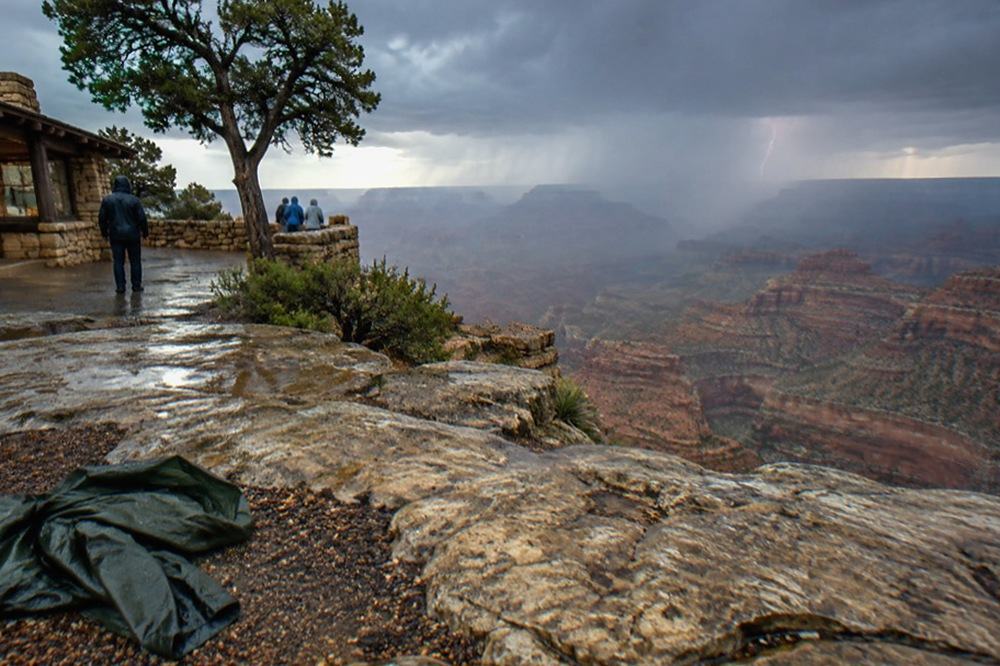
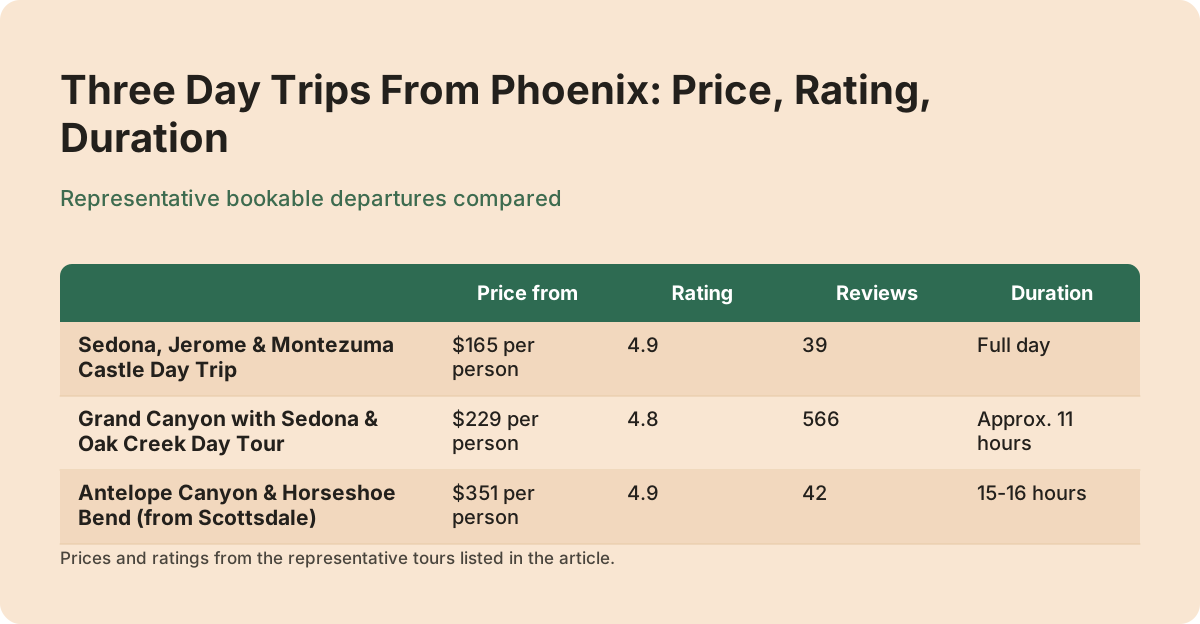
Price gaps between the three destinations are mostly a function of fuel, driver hours and permit logistics, not luxury. Here is how the representative departures compare on the numbers that matter:
| Trip | Price from | Rating | Reviews | Duration |
|---|---|---|---|---|
| Sedona, Jerome & Montezuma Castle Day Trip | $165 per person | 4.9 | 39 | Full day |
| Grand Canyon with Sedona & Oak Creek Day Tour | $229 per person | 4.8 | 566 | Approx. 11 hours |
| Antelope Canyon & Horseshoe Bend (from Scottsdale) | $351 per person | 4.9 | 42 | 15-16 hours |
A few notes on what sits behind those numbers. Grand Canyon entrance runs $35 per private vehicle for a 7-day pass when you drive yourself, but guided tours build park entry into the ticket, which is one reason the Grand Canyon departures on this roster sit between the $229 Oak Creek combo and the $299 small-group National Park tour. Antelope Canyon cannot be visited independently at all: the Navajo Nation requires every visitor to enter with an authorized Navajo-guided tour, and the Navajo Parks and Recreation permit adds $15 per person per location on top of whatever the operator charges. Horseshoe Bend parking sits in a city-run lot at $10 per passenger vehicle, and no national park pass is accepted there; commercial tour vehicles pay tiered fees of $35 to $140 depending on capacity, per the official City of Page parking page.
If you drive yourself rather than ride with a guide, the fee picture changes like this:
| Fee | Amount | What it covers |
|---|---|---|
| Red Rock Pass | $5 daily, $15 weekly, $20 annual | Parking at most developed Sedona-area trailheads; the America the Beautiful pass is honored |
| Grand Canyon entry | $35 per vehicle, $30 per motorcycle, $20 per person | A 7-day pass covering both rims, if you drive yourself |
| Montezuma Castle entry | $10 per adult, children 15 and under free | Also covers Tuzigoot National Monument for 7 days |
| Navajo Parks permit | $15 per person, ages 8 and up | Each Antelope Canyon location, each day, on top of the tour |
| Horseshoe Bend parking | $10 per vehicle, $5 per motorcycle | City of Page lot; commercial vehicles pay $35 to $140; no park pass accepted |
On a guided departure the operator handles the vehicle-level entry and parking charges; the one fee model worth confirming is the Navajo permit, where the operator's live listing states whether the $15 is collected on site or built in. Our deeper breakdown in the Grand Canyon tour cost guide runs the full math for both approaches.
One more cost consideration: the Antelope Canyon day is the only one of the three where advance booking is effectively mandatory rather than advisable. Upper Canyon light-beam slots often sell out 4 to 6 weeks ahead, and up to 3 to 6 months out in summer, so the from-$351 price is really the price of planning ahead. The Lower Canyon is more flexible at 1 to 3 weeks. If your dates are close and you want the slot canyon experience without the Page drive, the private Lower Antelope Canyon day tour from Phoenix (5.0 from 34 reviews, from $430 per person) is the roster's dedicated alternative.
How Demanding Is Each Day Physically?
Sedona is the most flexible of the three: you can hike hard or barely walk at all. The Grand Canyon South Rim day is built around viewpoints connected by largely level walking. Antelope Canyon involves a sandy, moderately strenuous walk through the slot itself, plus an exposed, shade-free hike out to the Horseshoe Bend overlook, all packed into a 15-to-16-hour day.
Physical demand is where the three destinations diverge most sharply, and it is the factor most likely to surprise people who booked on photos alone. The Grand Canyon is the gentlest of the three on the body, which sounds backwards until you see the South Rim: the Rim Trail and the village viewpoints are level, connected walking, and you can structure the day around as little or as much of it as you like. Tour itineraries typically rotate between overlooks and the village, with the walking broken up by vehicle time.
Sedona is the choose-your-own-effort destination. A tour day there can mean a short stroll to a viewpoint, or a genuine hike, and most guided itineraries keep the walking optional and short. The Sedona with Montezuma Castle small-group tour (4.8 from 76 reviews, from $179 per person) is a good example of the low-impact format: Montezuma Castle is viewed from a level paved path, and the cliff dwelling is seen, not climbed.
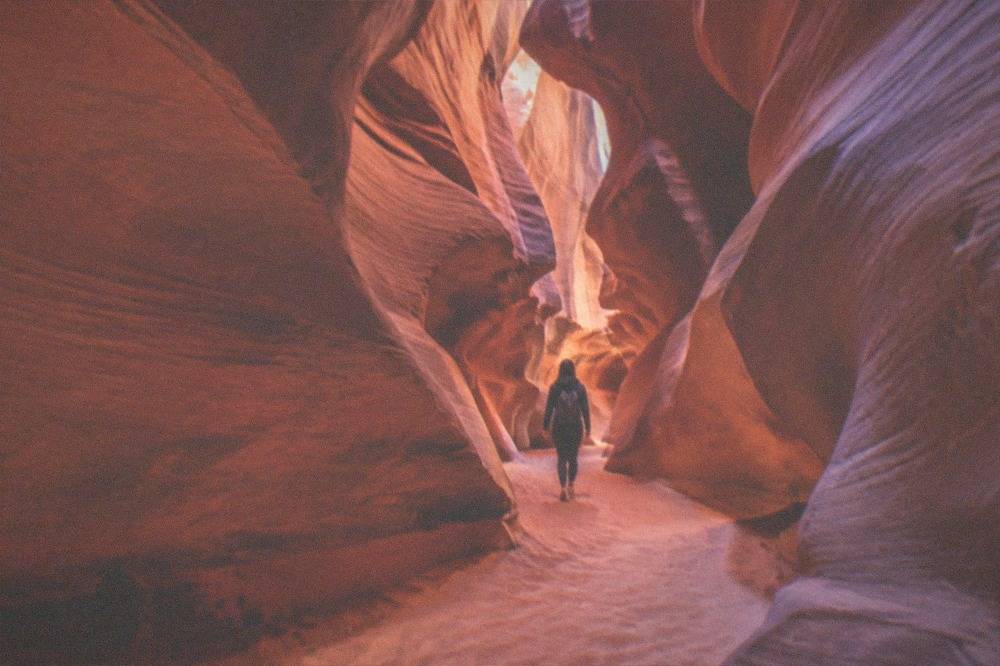
Antelope Canyon is the most physically specific. Lower Antelope Canyon, the section most Phoenix day tours visit, involves a stairway descent into the slot and soft sand underfoot, with narrow passages between the walls; operators describe the walk as moderately strenuous. Horseshoe Bend adds an out-and-back walk over sand and slickrock, in open desert with no shade at all. Add the 15-to-16-hour day and this is the one to skip if anyone in your group has real mobility limits or young children who cannot handle a long day.
Heat compounds all of this between June and September. The National Weather Service Phoenix office issues heat alerts on its HeatRisk framework, which weighs the forecast high, the overnight low, how long the heat lasts and how unusual it is for the date, rather than one fixed temperature trigger, so check the live forecast before booking any midday outdoor activity in those months. Shade differs sharply by destination: Sedona offers town stops and air-conditioned gaps between viewpoints, the South Rim has some shaded ground near the village, and the Horseshoe Bend walk is fully exposed from start to finish. For packing, our what to bring guide covers water, layers and sun protection in detail.
What Does Each Day Actually Deliver?
The Grand Canyon delivers overwhelming scale and the iconic first view; Sedona delivers variety, red rock scenery plus a historic town plus ruins in one day; Antelope Canyon delivers two of the most photographed landforms in the American Southwest in a single, very long day. If you want one image that defines Arizona, choose Antelope; if you want a day you keep talking about, choose the Canyon; if you want a relaxed, varied day, choose Sedona.
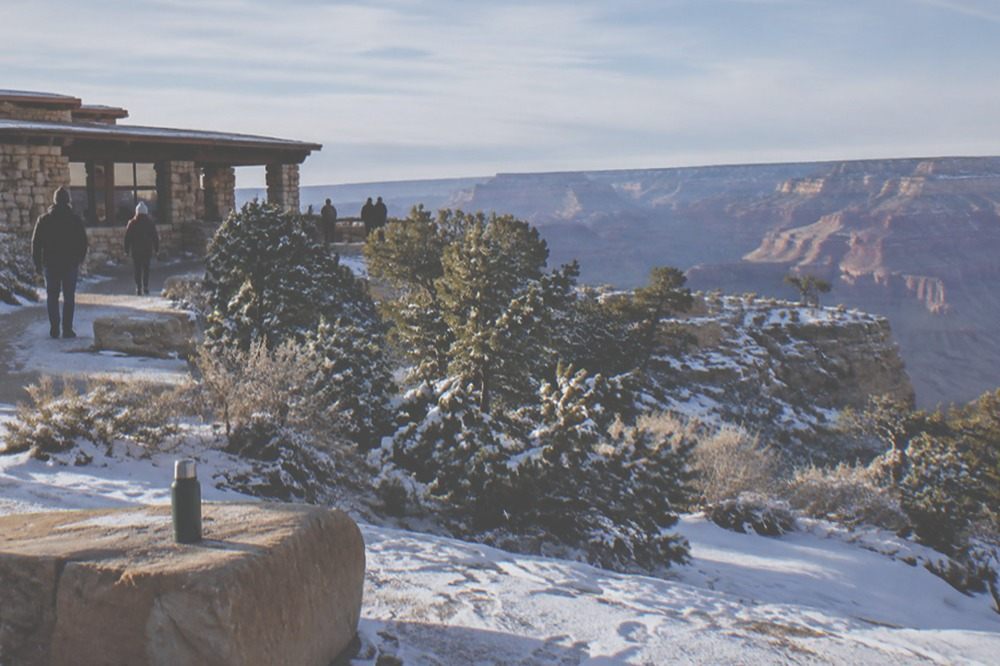
It helps to be blunt about what each day feels like from inside it. A Grand Canyon day tour is built around arrival: the first walk to the rim edge is the moment the entire day exists for, and everything before it is logistics. The park drew roughly 4.43 million visitors in 2025, down from about 4.92 million in 2024, and those crowds concentrate at a handful of village viewpoints, which is exactly where tours drop you with a guide who knows the quieter angles.
The Grand Canyon with Sedona and Oak Creek departure smartly hedges that bet by pairing the South Rim with Oak Creek Canyon and Sedona on the way back, so the day has a second act. At 4.8 from 566 reviews and from $229 per person with hotel pickup offered, it is a proven format rather than a niche one: the small-group deluxe version of the same rim itinerary carries 2,580 reviews at the same from-$229 price. It often sells out.
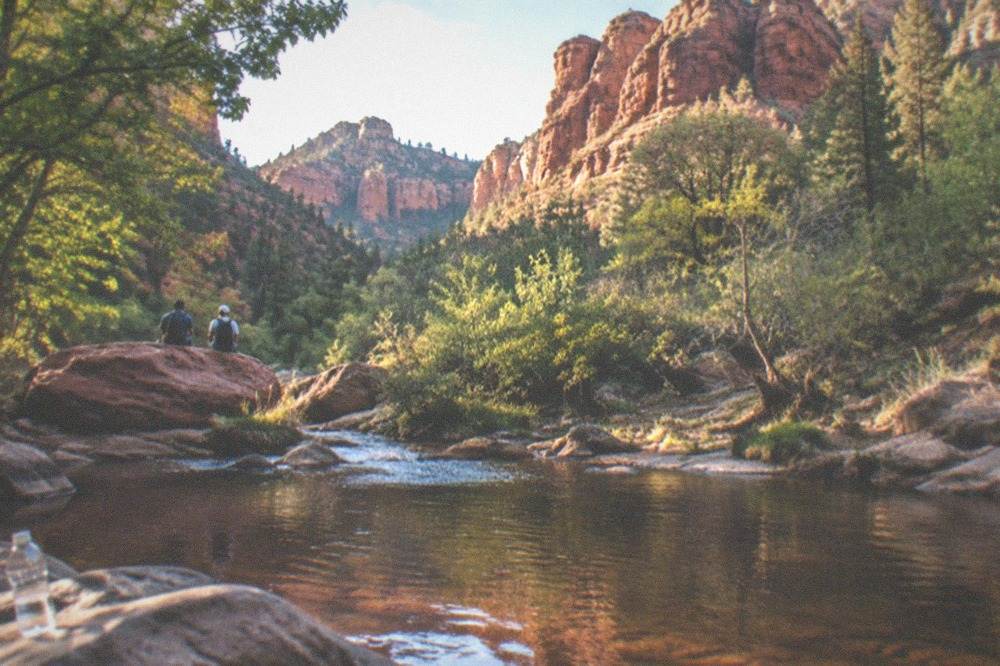
A Sedona day delivers density instead of scale. The Sedona, Jerome and Montezuma Castle day trip strings together three distinct stops: the red rock viewpoints around Sedona, the hillside mining town of Jerome, and the cliff dwelling at Montezuma Castle National Monument. Jerome rewards the stop: Caduceus Cellars and Merkin Vineyards both keep tasting rooms in town, and the streets cling to a steep mountainside above the Verde Valley. Two local notes if you return on your own later: the Asylum restaurant in the Jerome Grand Hotel closed permanently on July 27, 2026, and SR-89A has seen temporary daytime lane closures in town for vegetation removal since mid-September.
An Antelope Canyon day delivers spectacle in the most concentrated form. The slot itself is a guided walk between sculpted, light-striped sandstone walls, and Horseshoe Bend is the postcard: the Colorado River doubling back on itself around a sandstone escarpment. The Antelope Canyon and Horseshoe Bend day tour from Scottsdale covers both on one 15-to-16-hour departure, rated 4.9 from 42 reviews and from $351 per person, and it is flagged as likely to sell out. Page sits on Lake Powell, which fell to a record-low elevation around 3,517 feet in September 2026 amid drought, so the waterline views after the canyon look different from the brochures of a decade ago.
The honest summary of the three: the Grand Canyon is the day people describe in superlatives, Antelope Canyon is the day that fills a camera, and Sedona is the day you actually relax in. Two of the three deliver a single overwhelming moment; Sedona delivers a string of smaller ones. Travelers who regret a choice here usually regret the mismatch: booking the 15-hour Antelope day with toddlers, or expecting a Sedona stop to carry the emotional weight of standing on the rim of the Grand Canyon.
Which Trip Fits Which Traveler?
Pick Sedona for shorter drives, lower prices, families, and anyone wanting a relaxed, varied day; pick the Grand Canyon for first-time Arizona visitors and travelers whose trip feels incomplete without standing at the rim; pick Antelope Canyon for photographers, couples, and those who accept a 15-to-16-hour day for the most dramatic single scenery. One destination per day is the norm, and the Grand Canyon with Sedona is the only pairing that fits a single departure.
The matching exercise below is the short version of everything above. Few travelers fit neatly in one row, but most lean one direction:
| If this describes you | Best fit | Why |
|---|---|---|
| First trip to Arizona, want the icon | Grand Canyon | The rim view is the defining Arizona experience; the 11-hour day is manageable |
| Traveling with kids or older relatives | Sedona | Shortest drive, optional walking, lowest price from $165 |
| Photographer or chasing specific images | Antelope Canyon | The slot canyon and Horseshoe Bend are the two signature shots |
| Only one free day, moderate budget | Sedona | 2 hours each way leaves the most daylight on the ground |
| Long weekend with two tour days | Grand Canyon + Sedona pairing | One departure covers both on the Oak Creek route |
| Visiting July through September | Sedona or Grand Canyon | Monsoon season adds same-day flash-flood cancellation risk at Antelope |
Two practical notes on the last row. Monsoon season, roughly July through September, does not make Antelope Canyon impossible; it makes it uncertain, because operators can and do cancel the same day when flash flood risk is high in the canyon's watershed. And the summer heat considerations above apply to all three rows, just unequally: the Horseshoe Bend walk is the most exposed stop on any of these itineraries, while a Sedona day can dodge the worst of the afternoon indoors between stops.
Season also matters for the light. The famous beams inside Upper Antelope Canyon form only in the middle of the day and mainly in the brighter months, which is why those slots sell out furthest ahead; our best month for light beams guide times it precisely. For the broader calendar question across all destinations, see the best time of year for Arizona day trips.
For the relaxed-day traveler, the Sedona, Jerome and Montezuma Castle day trip is the easiest yes on this page. It runs a full day without the pre-dawn start, it is the cheapest of the three representative departures at from $165 per person, it carries a 4.9 rating from 39 reviews, and hotel pickup is offered from Phoenix. Because the stops sit close together, the day never becomes an endurance test, and it often sells out.
If you have two days instead of one, the strongest combination on this roster is a Grand Canyon day followed by a Sedona day, or a single Grand Canyon with Sedona and Oak Creek departure if the second day needs to be something else entirely. Travelers who want the slot canyon without the fixed group schedule can book the private Lower Antelope Canyon day tour from Phoenix and Scottsdale, rated 5.0 from 34 reviews and from $430 per person, which runs 14 hours with hotel pickup and often sells out. And anyone torn between Antelope departures should note the roster also carries a 13-to-14-hour version from Scottsdale or Phoenix at from $390 per person, rated 4.9 from 113 reviews.
Common Questions About Choosing Between The Grand Canyon, Sedona And Antelope Canyon
Which Arizona day trip from Phoenix is best for first-time visitors?
The Grand Canyon. It is the destination most first-time visitors regret skipping, the South Rim is easy walking, and departures from $229 per person pair it with Sedona on the Oak Creek route so you see two icons in one day.
Can you do Sedona and the Grand Canyon in one day from Phoenix?
Yes. The Grand Canyon with Sedona and Oak Creek day tour does exactly that on an approximately 11-hour departure from Phoenix, rated 4.8 from 566 reviews, from $229 per person with hotel pickup offered.
Is Antelope Canyon worth the drive from Phoenix?
For photographers and travelers who accept a 15-to-16-hour day, yes: the slot canyon and Horseshoe Bend are the two most dramatic landforms reachable from Phoenix. The trade is roughly 9 to 10 hours of total driving, plus a $15 per-person Navajo permit on top of the tour price.
Which of the three trips is cheapest?
Sedona. The Sedona, Jerome and Montezuma Castle day trip starts at $165 per person, versus $229 for the representative Grand Canyon departure and $351 for the Antelope Canyon and Horseshoe Bend day from Scottsdale.
Which trip is easiest for kids or limited mobility?
Sedona. It has the shortest drive at about 2 hours each way, the most optional walking, and stops like Montezuma Castle that are viewed from a level paved path. Antelope Canyon is the hardest fit, with sandy terrain, stairways and a very long day.