What Is Phoenix Known For
Phoenix is known for four things above all: the Sonoran Desert and its saguaros, its role as the practical gateway to the Grand Canyon, hot air ballooning over open desert, and Old West history within a half-day drive. This guide explains each one and how day tours reach them.
Short answer
Phoenix is known as a desert metropolis set in the Sonoran Desert, the launching point for Grand Canyon and Sedona day trips, one of the country's busiest hot air balloon cities, and a base for Old West towns like Tombstone. The city sits roughly 225 miles from the Grand Canyon South Rim, about a 3.5 to 4 hour drive.
Phoenix sits in the middle of the Sonoran Desert, the hottest desert in North America, and almost everything the city is known for flows from that fact. The saguaros, the balloon flights, the resort pools, the two-hour drives to pine forests and red rock, all of it exists because a million-plus people built a city in a place where summer highs routinely top 100 degrees Fahrenheit. The metro area anchors a five-county region that holds more than half of Arizona's population, and it works as a base camp for some of the most photographed landscapes in the United States.
This page answers the question plainly, section by section. It covers what the desert itself is famous for, why Phoenix functions as the Grand Canyon's southern gateway, why balloon operators cluster here, what Old West history sits within reach, and how far each of the big sights actually is. Where a day tour is the practical way to see something, the listings on this site are named directly, with the prices and ratings exactly as they appear on the operator's live listings.
What Is Phoenix Known For?
Phoenix is known for five things: the Sonoran Desert and its saguaro cactuses, being the main southern gateway to the Grand Canyon, hot air ballooning, accessible Old West history, and winter sunshine that draws visitors during cold months elsewhere. Each of these is visible, bookable, or drivable from the city on the same day, which is unusual for a major American metro area.
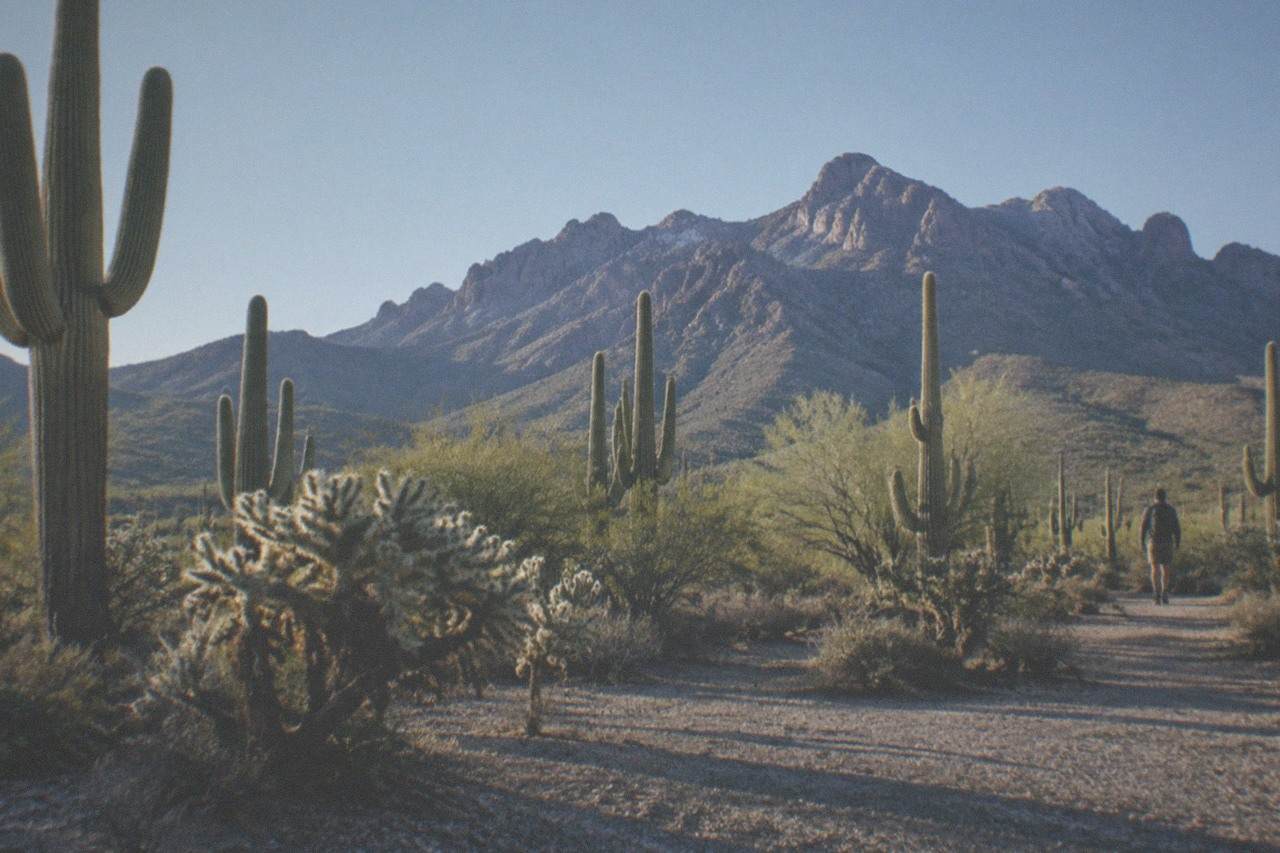
Start with the desert, because it explains everything else. The Sonoran Desert wraps the city, and the giant saguaro cactus, the icon of the American Southwest, grows wild in the parks and preserves inside the metro area itself. Camelback Mountain and the Phoenix Mountains Preserve put hiking trails among saguaros within twenty minutes of downtown. That combination, a major city with desert wilderness in its own back yard, is the first thing most visitors mention.
The second thing is the gateway role. Phoenix has the state's biggest airport and its largest hotel base, so the Grand Canyon, Sedona, Antelope Canyon and the red rock country all get visited on day trips that leave from here each morning. A whole category of small-group van tours exists because of that geography. If you are planning a first visit, the guide to the best day tours for first-time visitors sorts the options by what a newcomer usually wants to see first.
Third, ballooning. Phoenix is one of the busiest hot air balloon markets in the country, and the reason is simple: the desert floor is flat, the airspace is open, and the sunrise views stretch for dozens of miles. Fourth, the Old West. Tombstone, the town of the famous O.K. Corral gunfight, is a half-day drive south. Fifth, winter. While much of the country is under snow, Phoenix is playing golf, which is why the high season for tours here runs roughly October through April.
Why Is Phoenix Called The Gateway To The Grand Canyon?
Phoenix is the closest major city with a large airport to the Grand Canyon South Rim, about 225 miles away, and the drive takes roughly 3.5 to 4 hours each way. That distance is long but doable in a day, which is why dozens of guided van and motorcoach departures leave Phoenix and Scottsdale hotels every morning for the canyon.
The South Rim is the rim most first-time visitors want. It is open 24 hours a day, 365 days a year, and a private vehicle pass costs $35, valid for seven days, per the National Park Service fees page. Guided tours fold that entrance into the ticket price, which is one reason many travelers skip the rental car entirely. The deeper planning question, whether driving yourself beats sitting in a van, is covered in the renting a car versus booking a tour guide.
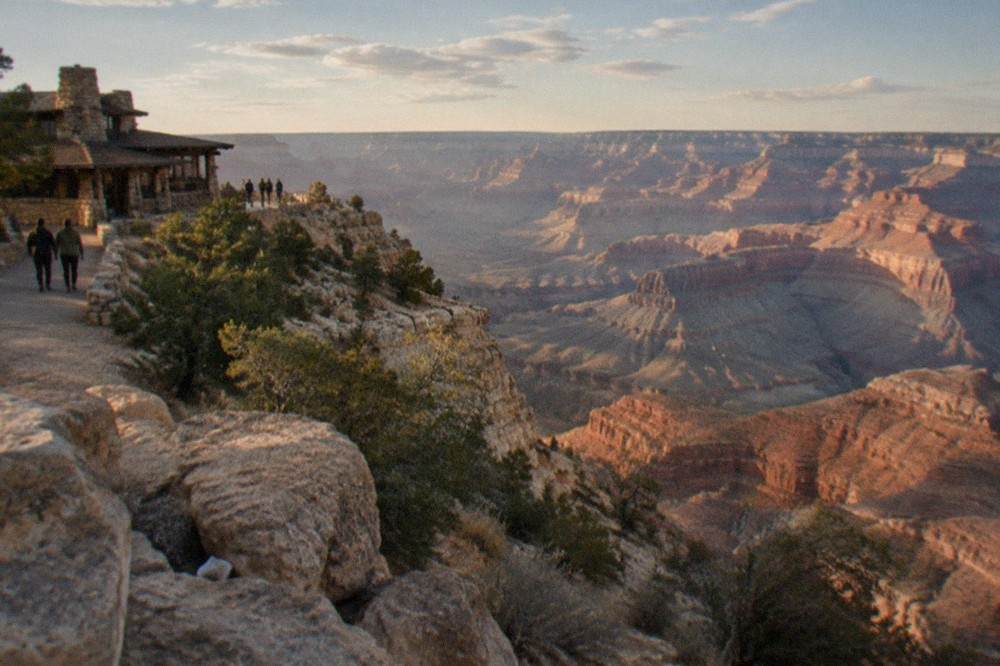
One 2026 fact matters for anyone booking this fall: a flash flood on August 29, 2026 damaged the Transcanyon Waterline in Bright Angel Canyon, and in-park lodging at the South Rim plus Phantom Ranch are closed through at least October 31, 2026. Day use, the viewpoints and the Rim Trail stayed open and roads were unaffected, so a day tour from Phoenix still delivers the full rim experience. Overnight plans are the ones that need rethinking.
The most popular way to combine the two headline sights near Phoenix is the Grand Canyon with Sedona and Oak Creek day tour, which runs about 11 hours, is rated 4.8 from 566 reviews, and starts from $229 per person with hotel pickup. It often sells out, which is typical for canyon departures in peak season.
The trio above is a sensible first-day plan for a Phoenix trip: the canyon and Sedona in one departure, a sunrise balloon flight on another morning, and a sunset jeep ride in the desert on the evening in between. Each one shows a different face of what the city is known for.
If one day is all you have, that Grand Canyon and Sedona combination is the strongest single booking, because it covers the two most requested sights from Phoenix in a single seat. The Grand Canyon tour from Phoenix guide compares the five canyon departures on this site in detail, including the small-group and private options.
What Makes The Sonoran Desert Different From Other Deserts?
The Sonoran Desert is the most biologically diverse desert in North America, and it is the only place on earth where the giant saguaro cactus grows natively in large numbers. Unlike the emptier Mojave or the drier Great Basin, it supports forests of cactuses, palo verde trees, and wildlife, all of which sit directly inside and around the Phoenix metro area.
That diversity is why desert tours here feel different from desert tours almost anywhere else. The jeep and UTV routes near Scottsdale and Fort McDowell run through Tonto National Forest under US Forest Service special-recreation permits, which means the terrain is protected land threaded with established trails rather than open free-for-all desert. The tours pass saguaros that can live for well over a century, plus cholla, barrel cactus and ocotillo, and the guides are usually the ones who can name each one.
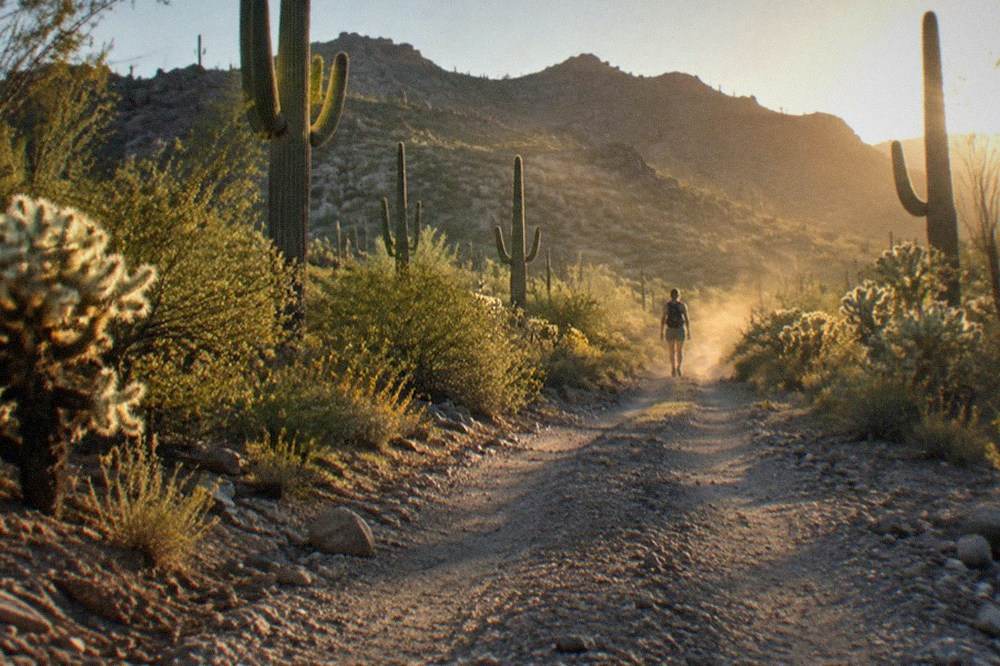
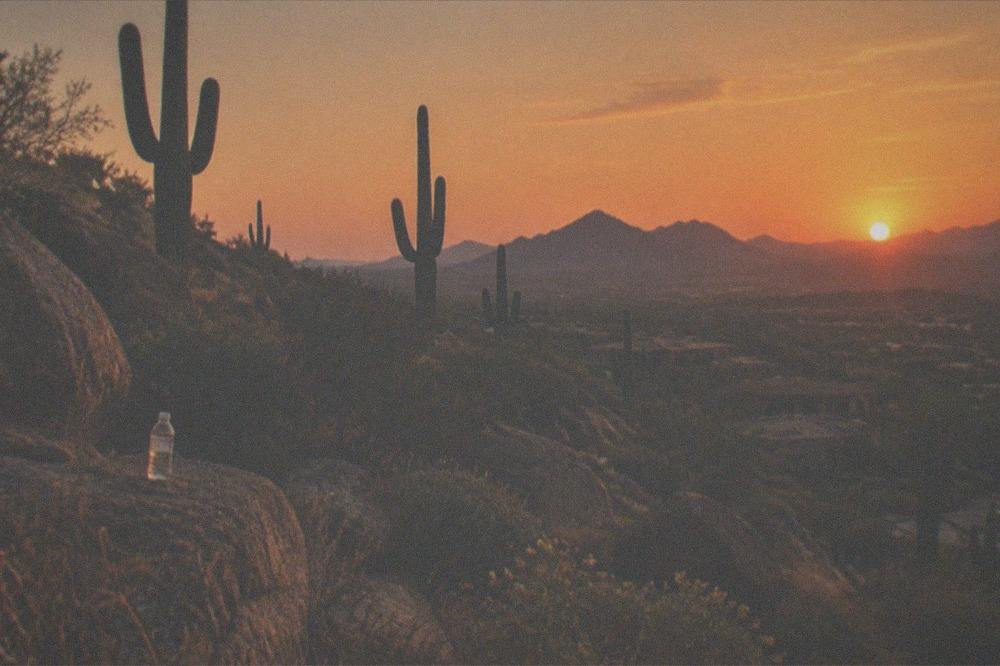
The classic way to see it is at sunset, when the heat drops and the light turns the rocks orange. The Sonoran Desert Jeep Tour at Sunset runs about two hours from Scottsdale, is rated 5.0 from 2,769 reviews, and starts from $155 per person, meeting on site rather than at your hotel. For a fuller rundown of the off-road options, including UTV tours where you drive, see the desert jeep tour guide.
For families, the group UTV option deserves a mention: the Sonoran Desert guided UTV or ATV tour is rated 4.9 from 291 reviews and costs from $204 for the whole vehicle, up to two riders, not per person. That group pricing structure is rare on this roster and makes it one of the better per-person values for a family of four or five.
Why Do Hot Air Balloons Cluster Over Phoenix?
Phoenix is one of the busiest hot air balloon markets in the United States because the desert floor around the city is flat and wide open, the weather cooperates on most mornings, and the sunrise views stretch across undeveloped desert and mountain preserves. Balloon flights here launch at dawn, fly 45 to 60 minutes, and typically start between $199 and $261 per person.
The flights are a morning activity by physics, not preference: balloons fly at first light because that is when winds are calmest and the air is coolest, and Phoenix supplies reliably flyable dawn conditions most of the year. From the air, the pattern of the city dissolves quickly into raw Sonoran Desert, with the McDowell Mountains, Tonto National Forest and the basins between them filling the horizon. More of these guides are collected on Day Tours from Phoenix.
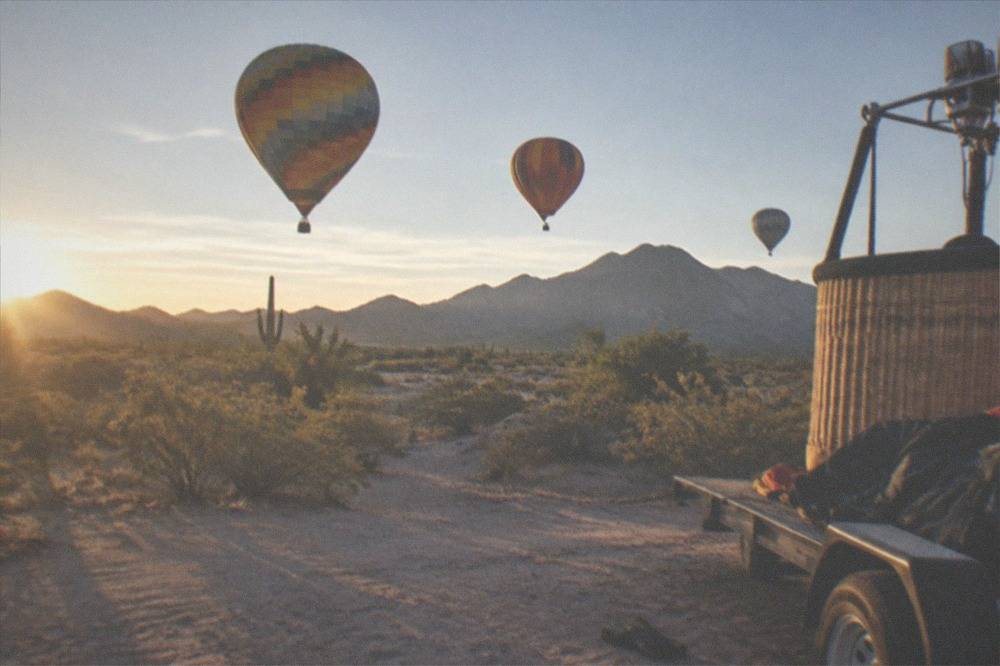
The flagship listing on this site is the Phoenix morning hot air balloon ride with bubbly and breakfast, rated 4.8 from 2,164 reviews, from $239 per person, with hotel pickup, and it often sells out. Alternatives on the roster include a ride with champagne and catering from $261, rated 4.8 from 159 reviews, and a flight on the largest balloon in the USA from $199, rated 4.8 from 816 reviews, which meets on site rather than offering pickup. The hot air balloon ride guide compares all four side by side, and the table below shows how the roster lines up.
| Balloon tour from Phoenix | Rating | Reviews | From (per person) | Getting there |
|---|---|---|---|---|
| Morning ride with bubbly + breakfast | 4.8 | 2,164 | $239 | Hotel pickup |
| Ride with champagne and catering | 4.8 | 159 | $261 | Hotel pickup |
| Largest balloon in the USA | 4.8 | 816 | $199 | Meet on site |
| Ride over the Sonoran Desert | 5.0 | 1 | $249 | Hotel pickup |
One note for nervous readers: the most recent notable balloon incident in Arizona, a hard landing near Marana in late October 2025, resulted in minor injuries and no hospitalizations, and no 2026 incidents were found in the Phoenix or Scottsdale area. Commercial balloon operators in the region fly under federal aviation rules like any other passenger operation.
How Far Is Phoenix From Arizona's Famous Sights?
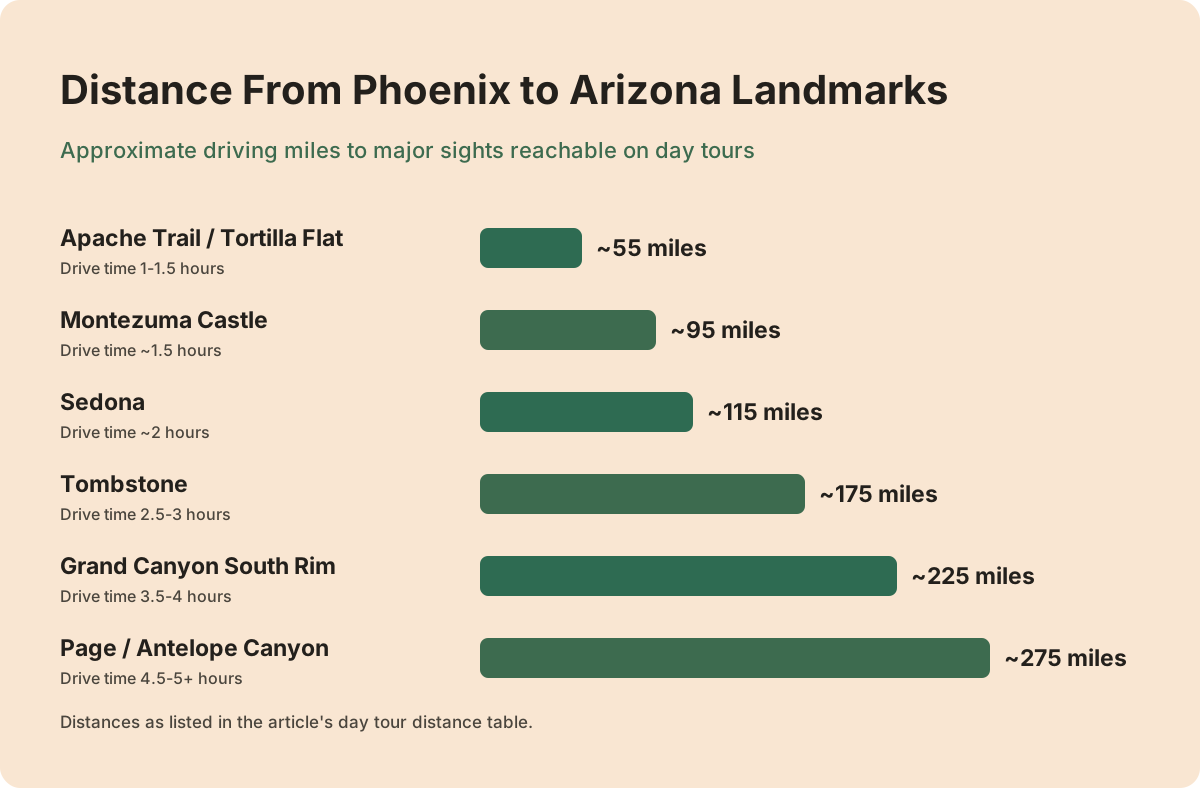
Phoenix sits within a half-day drive of nearly every landscape Arizona is famous for: the Grand Canyon South Rim is about 225 miles away, Sedona about 115, Page and Antelope Canyon about 275, Tombstone about 175, and the Apache Trail's Tortilla Flat stretch about 55. That concentration of drivable landmarks is the single biggest reason the city works as a tour base.
The numbers below are measured from downtown Phoenix on standard routes, and they explain the shape of the day-tour market. Anything under two hours becomes an easy half-day or full-day trip. Anything over four hours, like Page, becomes a long but bookable day, and the tours that run it leave very early.
| Destination | Approx. distance | Drive time | Typical day tour |
|---|---|---|---|
| Grand Canyon South Rim | ~225 miles | 3.5-4 hours | Full day, 11-13 hours total |
| Sedona | ~115 miles | ~2 hours | Full day, 8-10 hours total |
| Page / Antelope Canyon | ~275 miles | 4.5-5+ hours | Long day, 13-16 hours total |
| Tombstone | ~175 miles | 2.5-3 hours | Full day, 11-12 hours total |
| Apache Trail / Tortilla Flat | ~55 miles | 1-1.5 hours | 8-9 hours total |
| Montezuma Castle | ~95 miles | ~1.5 hours | 8-10 hours total |
Two of these destinations carry extra costs that surprise first-time visitors. Antelope Canyon is guided-only under Navajo Nation rules, with a $15 per person Navajo Parks permit fee on top of the tour price, and Horseshoe Bend parking is $10 per vehicle at the city-run lot in Page, with no national park pass accepted. Neither fee is usually inside the tour price, so budget for them separately.
What Old West History Can You Reach From Phoenix?
Phoenix is known as a base for Old West history because Tombstone, the town of the O.K. Corral gunfight, sits about 175 miles southeast, and a cluster of ghost towns and mining camps sits even closer. Jerome, a copper mining town turned ghost-town artist and wine destination, is roughly 105 miles north, and Goldfield Ghost Town on the Apache Trail is under an hour from the city.
Tombstone is the headline. It is a real, preserved town where the gunfight happened, with staged reenactments, original buildings and the Boothill Graveyard, and day tours from Phoenix run there roughly every day of the year. The Tombstone Day Trip from Phoenix runs 11 hours, is rated 5.0 from 18 reviews, and starts from $365 per person with hotel pickup; a Tombstone and Bisbee combination, which adds the old copper mining town an hour further south, starts from $250 per person. The Tucson day trip guide covers the southern half of the state, where most of this history sits.
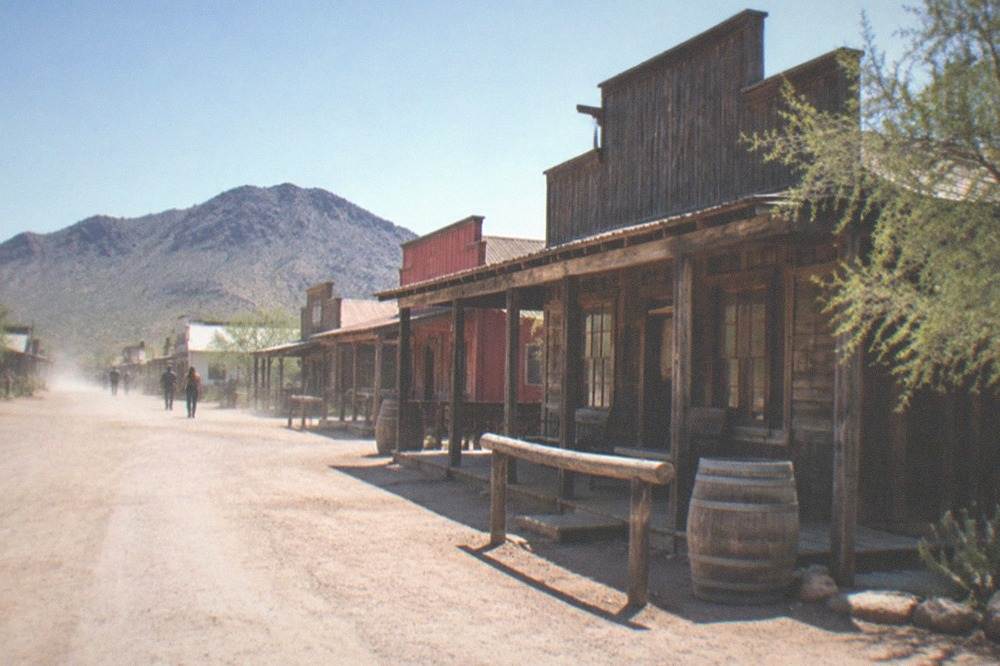
Closer to home, the Apache Trail packs the frontier-narrative version of this history into a half-day: Goldfield Ghost Town is open daily and charges no town entry fee, and Tortilla Flat, a stagecoach stop with a population in the single digits, keeps limited hours that shift by season. The Tortilla Flat and Goldfield Ghost Town guide details both stops. North of the city, Jerome pairs its mining past with tasting rooms, and the Asylum restaurant inside the Jerome Grand Hotel closed permanently in late July 2026, so check current options before planning a meal there.
When Is The Best Time To Visit Phoenix?
The best time to visit Phoenix is October through April, when desert highs are comfortable and every outdoor tour runs at full schedule. Summer, June through September, brings highs commonly above 100 degrees Fahrenheit, monsoon flash-flood risk from late June into September, and a shift of most tours toward sunrise departures like balloon flights and early morning canyon runs.
The heat here is not a single-threshold story. The National Weather Service Phoenix office issues heat alerts using its HeatRisk framework, which weighs the forecast high, the overnight low, how long the heat lasts and how unusual it is for the date, rather than one fixed temperature trigger, per the NWS Phoenix heat page guidance summarized on weather.gov. The practical version: check the live forecast before any midday outdoor activity in summer, and prefer morning and evening departures. The best time of year guide breaks this down month by month.
Season also changes what you should book. Winter is peak season for everything, and the tours flagged "often sells out" on this site, the canyon and balloon departures especially, genuinely do sell out. Summer brings monsoon risk to the slot canyons and the Apache Trail: same-day flash-flood cancellations at Antelope Canyon are possible from July through September, and the unpaved SR-88 stretch has closed and reopened with July 2026 storm damage. Spring and fall split the difference and are the sweet spot for combining a balloon flight, a canyon day and a sunset jeep ride in one week.
| Season | Conditions | Best tours to book |
|---|---|---|
| October-November | Comfortable highs, peak season begins | Grand Canyon, Sedona, Antelope Canyon |
| December-February | Mild days, cool mornings, busiest season | Balloon flights, Tombstone, Apache Trail |
| March-April | Wildflowers, warm but not extreme | Everything, book early |
| May-September | Heat above 100F, monsoon risk Jun-Sep | Sunrise balloons, sunset jeeps, early canyon runs |
One planning rule ties this whole page together: Phoenix is known for things you see by leaving the city, and almost every one of them is reachable in a single day. The question is rarely whether you can reach a sight, it is which ones to stack into the days you have.
Common Questions About What Phoenix Is Known For
What is Phoenix best known for?
Phoenix is best known as a desert city in the Sonoran Desert, the main gateway for Grand Canyon and Sedona day trips, one of the busiest hot air balloon markets in the country, and a base for Old West towns like Tombstone. All four are bookable as day tours leaving from Phoenix hotels.
Is Phoenix close to the Grand Canyon?
The Grand Canyon South Rim is about 225 miles from Phoenix, a 3.5 to 4 hour drive each way. That makes it a long but very doable day trip, and guided tours covering the round trip plus Sedona run about 11 to 13 hours total.
What desert is Phoenix in?
Phoenix sits in the Sonoran Desert, the hottest desert in North America and the only place where the giant saguaro cactus grows natively in large numbers. The desert extends into the city itself through preserves like Camelback Mountain and the Phoenix Mountains Preserve.
What is the most famous day trip from Phoenix?
The Grand Canyon is the most famous, usually combined with Sedona and Oak Creek Canyon in one departure. The flagship listing on this site runs about 11 hours, is rated 4.8 from 566 reviews, and starts from $229 per person.
Is Phoenix worth visiting just for the city itself?
Yes, for the desert preserves, resort culture and food scene, but the headline sights people associate with Arizona, the canyon, the red rocks, the slot canyons, all sit outside the city. Most visitors combine a day or two in Phoenix with day tours out to those landscapes.
When should I not visit Phoenix?
June through September brings highs commonly above 100 degrees Fahrenheit and monsoon flash-flood risk from late June into September. Tours still run, but sunrise balloon flights and sunset jeep tours work far better than midday outdoor activity in those months.