Can You Do Antelope Canyon While Pregnant?
A practical eligibility and comfort answer for visiting Antelope Canyon while pregnant: ladders, uneven ground, heat, drive time and which canyon section fits best.
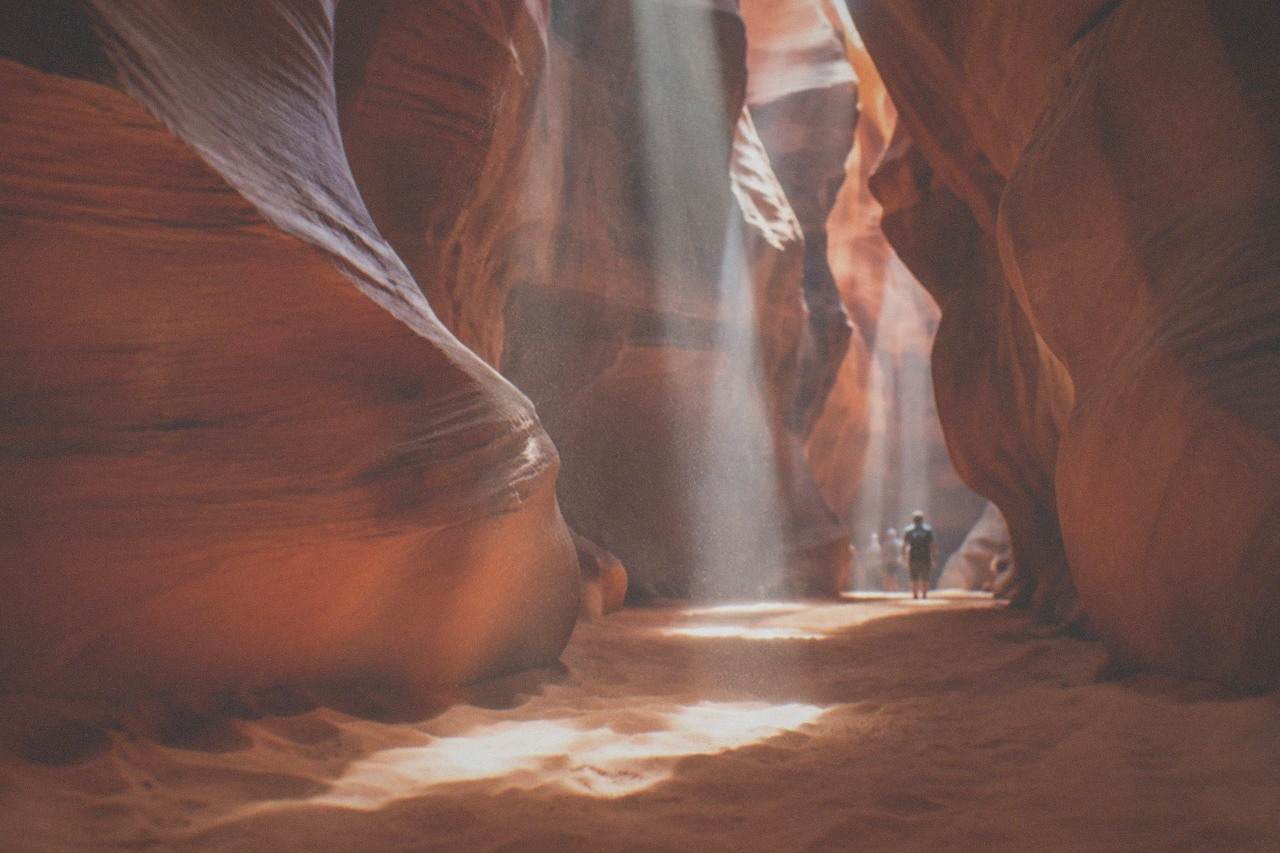
Can You Do Antelope Canyon While Pregnant?
Antelope Canyon is a guided-only slot canyon on Navajo Nation land near Page, Arizona, and the question of whether it works during pregnancy is really three questions stacked together: can your body handle the walk, can it handle the heat, and can it handle the day? The walk itself is short. The surrounding day is not. Page sits roughly 275 miles from Phoenix, which means 4.5 to 5 or more hours of driving each way for anyone basing themselves in the Valley, and most bookable departures bundle the canyon with Horseshoe Bend into a single very long outing.
This page works through the physical demands honestly: the ladders in Lower Antelope, the uneven sand underfoot in both sections, the desert heat, and the monsoon-season wrinkle nobody expects. It does not claim a blanket operator policy on pregnancy, because no such policy is published. What operators do publish is the terrain, and that is where your answer lives.
Can You Do Antelope Canyon While Pregnant?
In most uncomplicated pregnancies, yes: the canyon walk itself is a moderate, guided stroll of well under two miles on flat-to-gently-descending ground, and many pregnant visitors complete it without trouble. The honest caveats are the fixed ladders at Lower Antelope, midday desert heat from June through September, and the sheer length of the day from Phoenix, which runs 13 to 16 hours round trip on every roster departure.
The single most important fact about Antelope Canyon is that you cannot walk it alone. Upper Antelope Canyon, Lower Antelope Canyon and Antelope Canyon X are accessible only through an authorized Navajo-guided tour, per the official canyon visitor information site; unguided entry is prohibited. That works in a pregnant visitor's favor. You are never alone on the route, the pace is set by a guide who walks it daily, and the group stops frequently for photos. You are also never more than a few minutes from the entrance should you need to turn back.
No operator on this roster publishes a pregnancy policy, so do not expect a yes or no from the booking page. What you should do is call the operator after booking and say how far along you will be on the tour date. Guides routinely accommodate slower walkers, and the canyon's commercial structure means turning around early is always an option rather than a rescue scenario.
For context on the day itself, the standard question of whether the trip is even feasible from Phoenix is covered in our piece on doing Antelope Canyon as a day trip, and the time budget matters even more when you are pacing yourself for two.
If a guided day is the right call, these are the three Antelope departures that run from the Phoenix area:
What The Walk Through The Canyon Actually Involves
Inside the slot, expect a sandy, uneven floor, narrow passages, short climbs over rock steps, and in Lower Antelope a series of fixed metal ladders. Upper Antelope is the gentler of the two: entrance and exit are at ground level, the grade is nearly flat, and the walk is about a quarter mile each way. Lower Antelope descends immediately via staircases and ladders, roughly five of them, climbed again on the way out.
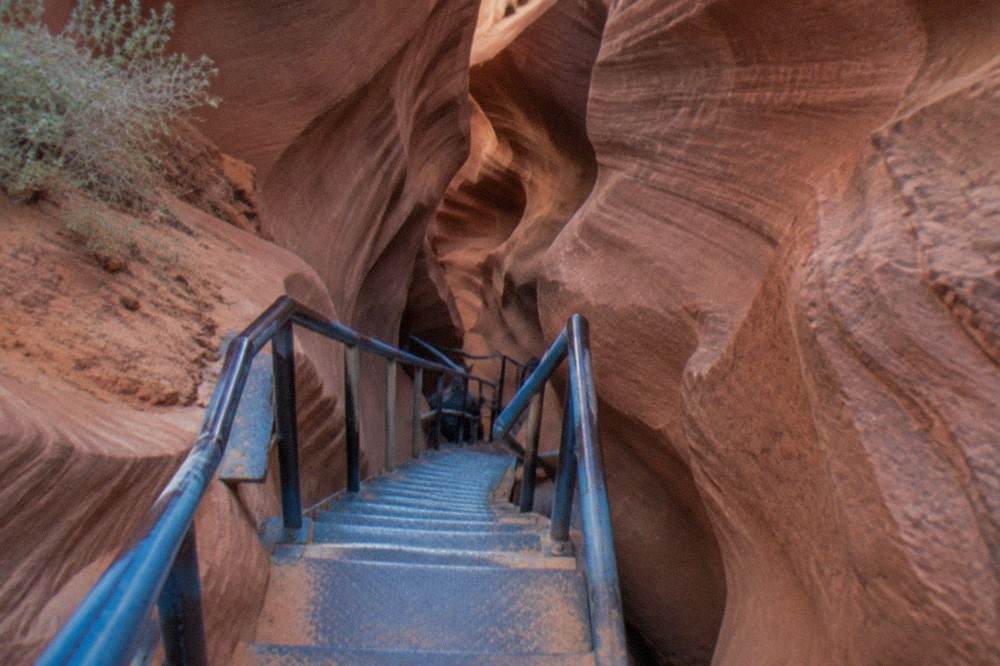
For a pregnant visitor, the ladder question is the crux, and it deserves a straight answer: ladders in Lower Antelope are wide, fixed, hand-railed staircases bolted to the rock, not free-climbing rungs. They are climbed slowly, one person at a time, with a guide positioned nearby. The physical demand is comparable to a flight of steep stairs. That said, balance shifts as pregnancy progresses, and a fall on a staircase is the one hazard here worth real respect. If you are past the point where you want to trust your center of gravity on stairs, choose Upper.
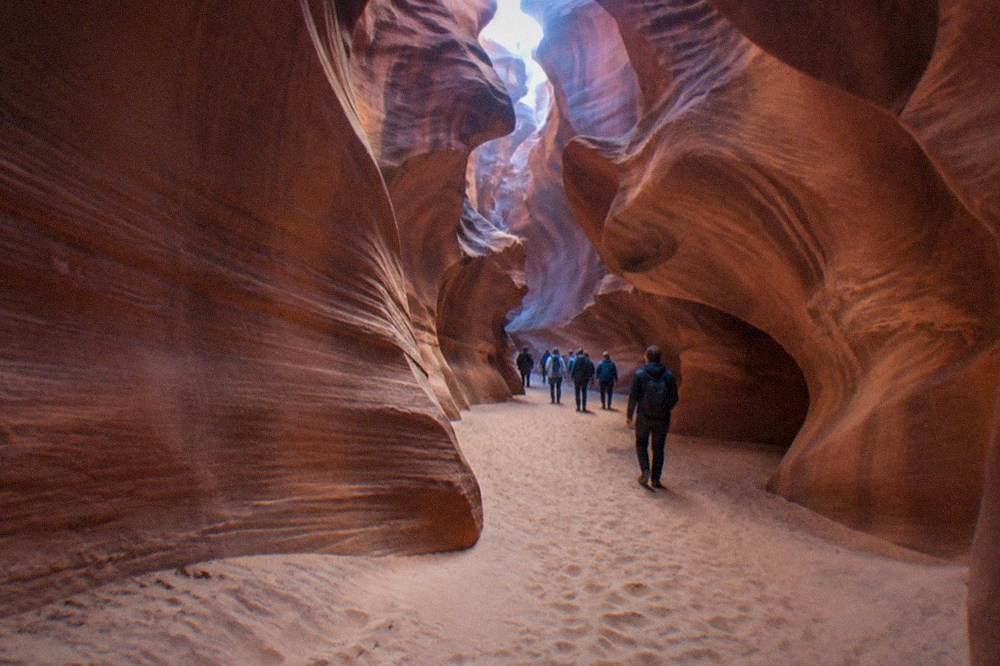
Underfoot, both sections are soft dry sand and polished rock, which is tiring in the way a beach walk is tiring, ankles working constantly. Closed-toe shoes with grip matter more here than on almost any other Arizona stop. The passages are narrow enough that you will turn sideways a few times in either canyon, but the tour flow is one-directional and unhurried; you are never pressed forward by a crowd behind you on a reputable departure.
One structural point that surprises people: the canyon floor is shaded and dramatically cooler than the open desert above it. The dangerous heat exposure on this itinerary is not inside the slot, it is the unshaded segments at either end: the waiting area at the canyon mouth, and especially Horseshoe Bend later in the day. Plan water and timing around those, not the canyon itself.
Here is how the two sections compare on the factors that matter to a pregnant walker:
| Factor | Upper Antelope Canyon | Lower Antelope Canyon |
|---|---|---|
| Entry and exit | At ground level, no ladders | Fixed staircases and ladders at entry and exit |
| Terrain | Nearly flat, sandy floor | Descending, sandy and rocky, ladder climbs |
| Typical walk length | About a quarter mile each way | About a quarter mile each way, plus vertical |
| Crowd density | Busier, larger groups | Smaller groups, more spread out |
| Best for pregnancy | Second and third trimesters | Confident balance, earlier pregnancy |
The trade is simple. Upper costs more and books further ahead but removes every ladder from your day. Lower is cheaper, less crowded and more spectacular per footstep, but it asks your knees and your balance to earn it. Our full comparison of the two sections, including the light-beam question, is in the guide to Upper versus Lower Antelope Canyon.
Heat, Hydration And The Long Drive From Phoenix
The heat risk on this itinerary is real from June through September, when Page-area afternoons routinely exceed 100 degrees Fahrenheit, and the National Weather Service frames Phoenix-region heat alerts through its HeatRisk system rather than one fixed trigger temperature. The canyon slot itself is shaded and cooler, but the drive, the canyon staging area and the Horseshoe Bend trail are all fully exposed. A pregnant visitor should treat summer departures as a morning-canyon, early-morning-everything proposition.
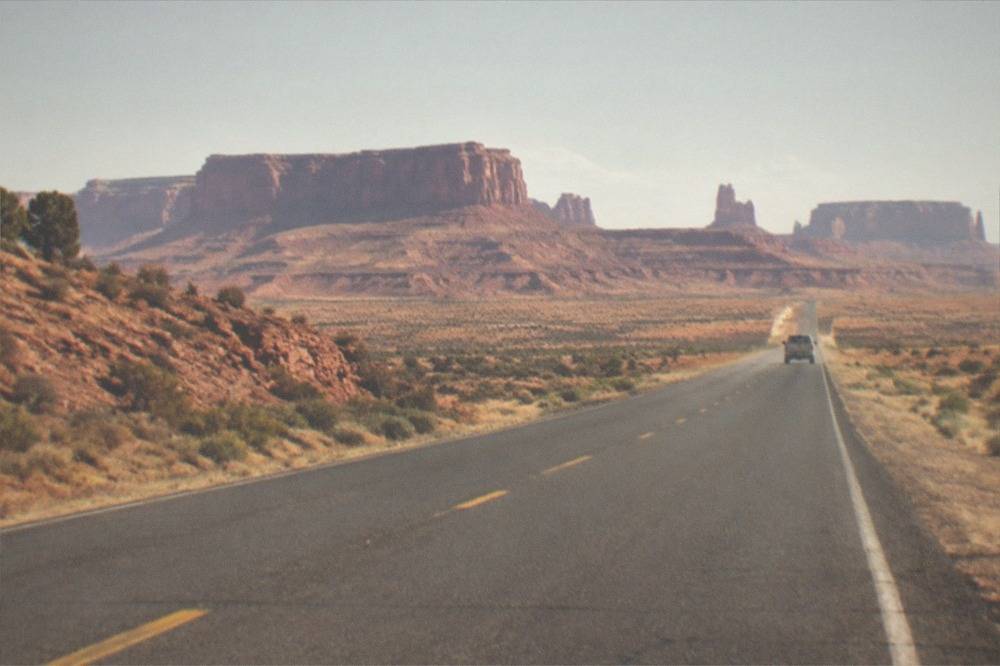
The drive is the part people underweight. From Phoenix, Page is roughly 275 miles and 4.5 to 5 or more hours each way, so every roster departure is a 13-to-16-hour day door to door. That is a long stretch of sitting, which is its own pregnancy consideration: stiffness, swelling and the need for bathroom stops that a group van schedule does not always anticipate. Two of the three roster tours offer hotel pickup, which removes the rental-car stress but not the sitting. The third, the Horseshoe Bend and Antelope Canyon Day Tour from Phoenix, meets on site, which shifts the driving question onto you.
Hydration guidance for desert pregnancy is boring and non-negotiable: more water than feels reasonable, electrolytes, and a salty snack in the bag. The NWS Phoenix heat page is the right thing to check the day before any summer departure, because HeatRisk levels fold in overnight lows and duration, not just the afternoon high. If the forecast shows Major or Extreme HeatRisk for your tour date, a pregnant visitor has every reason to move the canyon to the earliest departure slot or pick a different month.
The monsoon adds a second summer wrinkle. From July through September, flash-flood cancellations happen same-day, because slot canyons are drainage channels by definition and a storm miles away can send water through them. Operators cancel for safety when the risk is real, and a cancellation is an inconvenience, not an injury. For a pregnant traveler, the practical read is: book summer with a flexible fallback plan, and expect a possible rebook rather than a refund fight if the sky turns.
If a summer date is the only window that fits before a due date, booking a departure that handles the permit, the parking and the canyon timing in one ticket removes most of the same-day stress, and hotel pickup means the long drive is somebody else's problem.
The shoulder seasons flip the equation entirely. October through April brings mild temperatures, no monsoon risk and no heat stress, and the same walk becomes genuinely easy. If your due date allows a choice of month, choose the cool one; the canyon's beauty does not have a season, but your comfort does.
Horseshoe Bend: The Second Half Of The Day
Horseshoe Bend is a 1.5-mile round trip on a wide, unpaved path with one steady uphill on the return, and it is entirely unshaded. The overlook itself is an unfenced sandstone ledge above a 1,000-foot drop, so a pregnant visitor should hold the rail-side approach, walk the trail early or late in the day, and treat the uphill return, not the overlook, as the day's real physical test.
Nearly every Phoenix-area tour pairs the canyon with Horseshoe Bend because they are ten minutes apart, and the pairing changes your day's math. Parking at the City of Page lot is $10 per vehicle, and no federal interagency pass is accepted because the lot is city-run, per the official Horseshoe Bend parking page; on a guided tour that fee is handled inside your ticket, which is one less queue to stand in.
The trail is where heat and pregnancy intersect hardest. There is no shade on any part of it, the sand and slickrock radiate the day's heat back up at you, and the return leg climbs gently but persistently for about half a mile. In summer, do it before 10 a.m. or after 4 p.m. and carry more water than you think you need. In cooler months it is a pleasant stroll that most visitors complete without noticing the grade.
The ledge deserves one paragraph of honesty. The overlook is a natural sandstone platform with no railing along most of its rim, and the standard tourist photo is taken a few feet from a sheer drop. Nothing about pregnancy prevents you from enjoying the view from a conservative distance; everything about good judgment says keep several feet of margin, wear grippy shoes on the slickrock, and let the crowd jockey for the edge shots while you stand back.
If the full canyon-plus-bend day feels like too much on paper, it is worth reading how much time people actually need at Antelope Canyon itself; the answer is less than most itineraries imply, and trimming expectations is a legitimate way to protect your energy for the drive home.
Booking Windows, Cancellations And The Permit Fee
Antelope Canyon requires advance booking: the light-beam slots at Upper Canyon often sell out four to six weeks ahead, stretching to three to six months in summer. Every visitor also pays a $15 per-person Navajo Parks permit fee on top of the tour price, and monsoon-season departures carry a real chance of same-day flash-flood cancellation, so a tour that handles the details is the lower-friction route for a pregnant traveler.
The permit fee is the line item people miss. The $15 Navajo Parks and Recreation entry fee applies per person per location per day for ages 8 and up, and it is separate from whatever the tour operator charges. Most guided tours collect it as part of checkout or at check-in; read your confirmation email so you are not surprised at the canyon mouth.
Booking ahead matters more for Upper than Lower, because the famous midday light beams at Upper only appear in a narrow window and those slots go first. Lower is more flexible, often bookable one to three weeks out. If you are pregnant and want the gentlest walk, you want Upper, which means you want to book early; the two constraints point the same direction, which is convenient.
The roster's flagship for this route is the Antelope Canyon and Horseshoe Bend Day Tour from Scottsdale: it runs 15 to 16 hours, carries hotel pickup, is rated 4.9 from 42 reviews, and starts from $351 per person. It is flagged as likely to sell out, which fits everything above about advance booking.
If 15 to 16 hours sounds like more day than you want, the Antelope Canyon and Horseshoe Bend Day Adventure trims the outing to 13 or 14 hours from Scottsdale or Phoenix at from $390 per person, rated 4.9 from 113 reviews, still with hotel pickup. The shorter the day, the less sitting, and at this point in a pregnancy that trade can matter more than the price difference. Check availability on either listing before locking a date, because summer's light-beam slots thin out fast.
A final planning note: this whole itinerary is one of several long-day options from the Valley, and Day Tours from Phoenix covers the full spread of destinations, from Sedona's two-hour drive to the Grand Canyon's four, if the Antelope day proves too much for this particular trimester. There is no shame in saving Page for a postpartum trip; the canyon has been there for a few million years and is not going anywhere.
If the guided day still looks right, these are the three departures to compare:
Common Questions About Antelope Canyon And Pregnancy
Can You Do Antelope Canyon While Pregnant?
Yes, in most uncomplicated pregnancies. The canyon walk is short and guided, but choose Upper Antelope to avoid ladders, avoid midday summer heat, and plan around a 13-to-16-hour day from the Phoenix area. Confirm with your doctor and notify the operator after booking; no operator publishes a blanket pregnancy policy.
Does Antelope Canyon Involve Climbing?
Upper Antelope involves no ladders; its entrance and exit are at ground level. Lower Antelope uses fixed, hand-railed metal staircases bolted to the rock, roughly five of them, climbed one person at a time with a guide nearby. The demand is comparable to steep stairs, but balance is the real question as pregnancy progresses.
How Hot Does It Get on the Tour?
Page-area summer afternoons routinely exceed 100 degrees Fahrenheit, and the NWS Phoenix office issues heat alerts through its HeatRisk framework rather than one fixed temperature. The slot canyon floor is shaded and cooler, but the staging areas, the Horseshoe Bend trail and the drive are fully exposed. Book the earliest canyon slot in summer.
Is Upper or Lower Antelope Better for a Pregnant Visitor?
Upper is the safer default: flat, ladder-free and busier. Lower is cheaper, less crowded and more dramatic, but it descends by fixed staircases and climbs back out. Earlier in pregnancy with confident balance, Lower works; later, or with any hip or back discomfort, choose Upper.
Can the Tour Be Cancelled Because of Weather?
Yes. From July through September, monsoon storms can force same-day flash-flood cancellations, since slot canyons are natural drainage channels. Operators cancel for safety when the risk is real, and the usual outcome is a rebooking rather than a refund fight. Shoulder-season dates carry almost no such risk.
What Extra Fees Should I Expect?
A $15 per-person Navajo Parks permit fee applies per location per day for ages 8 and up, separate from the tour price; most tours collect it at checkout or check-in. Horseshoe Bend parking is $10 per vehicle at the city-run lot, no federal pass accepted, though guided tours fold that into the ticket.